Key Information:
-
- Identifying the specific “musty” or “earthy” scents associated with moisture.
- Distinguishing between the smell of fresh water damage and active mold growth.
- Recognizing high-risk areas like basements and crawlspaces.
- Knowing when a scent requires professional restoration services.
Walking into your home should provide a sense of comfort, but when a strange odor greets you at the door, it usually signals an underlying problem. Often, homeowners notice a scent before they ever see a physical stain on the ceiling or a puddle on the floor. Understanding these sensory cues is the first step in protecting your property from long-term structural issues.
Why Water Damage Causes Odors
Water itself is odorless, but the effect it has on building materials is not. When drywall, wood, or carpeting becomes saturated, it begins a process of degradation. Moisture creates a breeding ground for bacteria and microorganisms that release gases as they break down organic matter.
In the Red River Valley, high humidity or seasonal flooding can trap moisture within wall cavities. Without proper airflow, this trapped water becomes stagnant. The resulting smell is a byproduct of the chemical and biological reactions happening behind your walls or under your floors.
Common Smells to Watch For
Most people describe the primary scent of water damage as musty. It is often compared to the smell of old, damp socks or a wet dog. This damp-smelling house causes vary, but the scent remains a consistent warning sign.
If the water is “grey” or “black” water, such as a backup from a drain or sewer line, the odor may be significantly more pungent. This can include a sulfur-like or rotten egg smell. Even if the scent is faint, it indicates that moisture is present where it should not be.
Mold vs Water Damage Odors
While people often use the terms interchangeably, there is a subtle difference between mold smell and water damage scents. Water damage smells like wet materials or stagnant air. It is often a heavy, “thick” scent that lingers in a specific room.
Mold odors are typically more pungent and sharp. Mold produces microbial volatile organic compounds. These compounds have a distinct, earthy, or fermented smell that can become overwhelming as the colony grows. If you notice a scent that makes your nose itch or causes a physical reaction, mold has likely already taken hold following a water intrusion.
Where Odors Typically Appear
Odors tend to settle in areas with the least amount of ventilation. Basements are the most common culprit in our region because they are naturally cooler and more prone to seepage. You should also check under kitchen and bathroom sinks, where slow leaks can saturate the cabinet base over several months.
Crawlspaces are another frequent source of mystery smells. If the vapor barrier is compromised or if there is standing water, the scent will eventually rise into the main living areas of the house. Attics with roof leaks may also produce a musty smell, as water damage creates as insulation absorbs the moisture.
When Smell Indicates Serious Damage
If you can smell the damage, the problem is rarely “new.” By the time odors are detectable, the moisture has usually been present long enough to begin breaking down materials or supporting microbial growth.
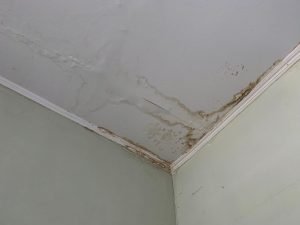
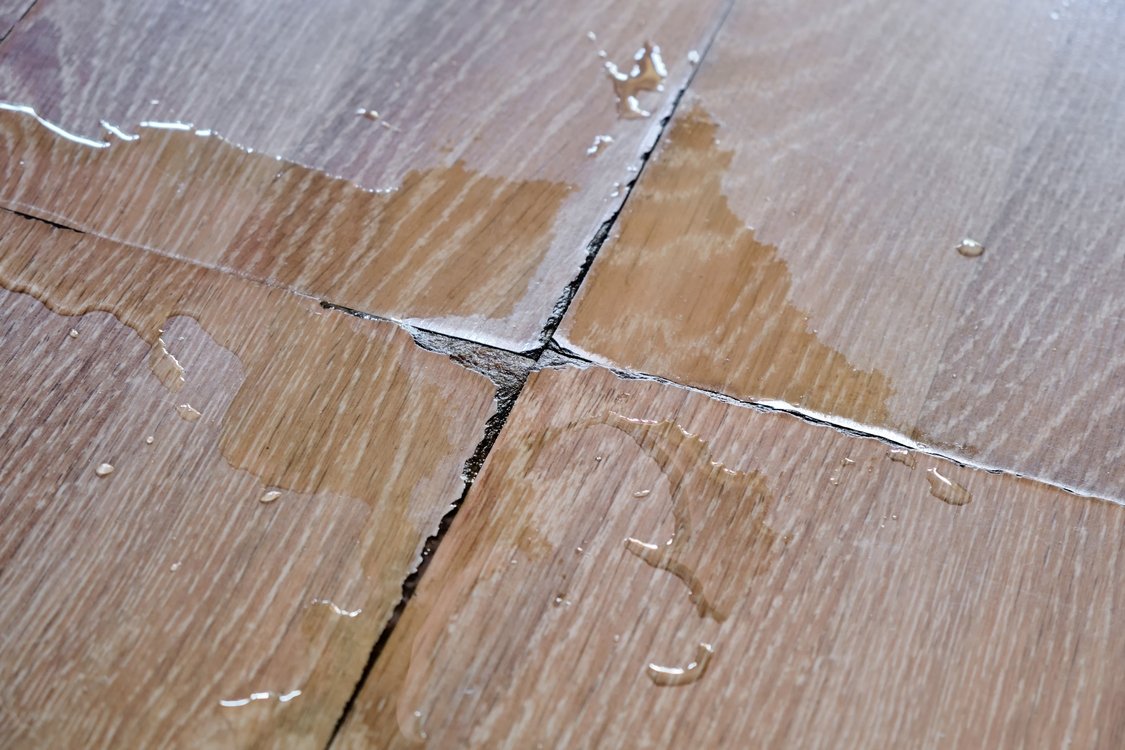
You should be especially concerned if the smell is accompanied by visible signs like bubbling paint, warped floorboards, or dark spots on the ceiling. If the odor persists even after you have cleaned the area or used air fresheners, the source is likely deep within the structure of the home and requires professional extraction.
What to Do Next
Ignoring a strange scent will only lead to more expensive repairs in the future. If you suspect your home has hidden moisture, the best course of action is to schedule a professional inspection to locate the source and dry the area completely.
At Steamatic of Red River Valley, we specialize in identifying hidden leaks and providing comprehensive restoration services to restore your indoor air quality and protect your home.
Contact Steamatic of Red River Valley today for professional assistance.
Photo credit: SergeyKlopotov