Finding a leak or waking up to a flooded basement is an overwhelming experience. Beyond the immediate mess, the most common question homeowners ask is how long it will take to get their lives back to normal. While every situation is unique, understanding the timeline and the variables involved can help you manage the process more effectively.
What Impacts Restoration Time
The duration of a water damage project depends on several critical factors. The volume of water is the most obvious, but the source of that water matters just as much. Clean water from a broken supply line is much faster to handle than “black water” from a sewage backup, which requires intensive sanitization.
The type of materials affected also plays a major role. Porous materials like drywall, carpet padding, and insulation soak up moisture quickly and may need to be removed entirely. Non-porous surfaces like tile or certain hardwoods might be salvageable but require specialized drying techniques that take more time.
Typical Water Damage Restoration Timeline
For most residential properties in the Red River Valley, the entire restoration process ranges from a few days to several weeks.
- Emergency Contact and Assessment (1-4 Hours): Professional teams usually arrive within hours to stop the source of water and assess the damage using moisture meters and thermal imaging.
- Water Extraction (1-6 Hours): Removing standing water is the first priority and happens quickly with industrial-grade pumps and vacuums.
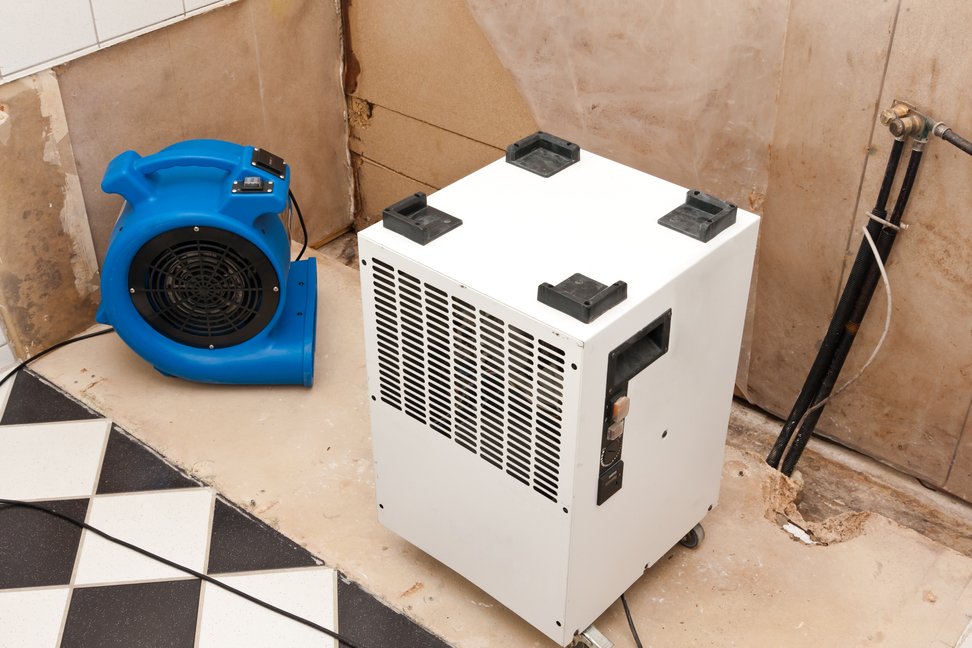
- Drying and Dehumidification (3-5 Days): This is the core of the process, where air movers and dehumidifiers run constantly to pull moisture from the structure.
- Cleaning and Sanitizing (1-2 Days): Once dry, surfaces are treated to prevent mold growth and eliminate odors.
- Reconstruction (1-2 Weeks+): If walls or floors were removed, the final repair phase begins.
Drying and Dehumidification Process
Proper drying cannot be rushed. It typically takes three to five days of continuous equipment operation to reach safe moisture levels. During this time, technicians monitor the environment daily, taking readings of the temperature and relative humidity to ensure the air is dry enough to pull moisture out of the building materials. Skipping this phase or stopping it early is a common mistake that leads to long-term structural rot and mold issues.
Repairs and Reconstruction Timeline
Once the home is certified dry, the reconstruction phase begins. The length of this stage varies wildly based on the extent of the damage. Replacing a small patch of drywall and repainting might only take two days. However, if a kitchen is flooded and cabinets need to be replaced, you could be looking at several weeks, depending on material lead times and contractor availability.
Factors That Can Delay Restoration
Several external factors can push back your completion date. If the water damage was caused by a regional storm or widespread flooding in Fargo or Grand Forks, restoration companies and insurance adjusters may be stretched thin. Delays in insurance claim approvals or the discovery of hidden mold or asbestos during demolition can also pause the clock while additional safety protocols are implemented.
When Results Are Fully Complete
A restoration project is only truly complete when the air quality is restored, the structure is verified dry through professional monitoring, and all cosmetic repairs are finished. At this stage, your home should show no signs of the initial incident, and the musty odors associated with dampness should be entirely gone.
If you are dealing with water in your home or business, do not wait for the damage to spread. Contact the experts at Steamatic of Red River Valley for 24/7 emergency response and a clear path to restoration.
Photo Credit: Heiko Barth