Water damage is not always as obvious as a burst pipe or a flooded basement. In many cases, moisture creeps into a home quietly by hiding behind drywall or above ceiling tiles. By the time a visible puddle forms, the internal structure of your property might already be compromised. Recognizing the subtle indicators of a leak can save you from expensive renovations and health risks associated with mold growth. At Steamatic of Red River Valley, we help homeowners in Fargo and Grand Forks identify these issues before they escalate into major disasters.
What Causes Hidden Water Damage
Hidden leaks typically originate from sources that are completely out of sight. Aging pipes tucked within wall cavities can develop pinhole leaks that drip slowly for months. Roof damage is another common culprit because a single missing shingle allows rainwater to seep into the attic and eventually settle into the ceiling. Additionally, failing caulking around windows or bathtub seals can allow water to migrate into the wall framing. These areas lack proper airflow, which means the trapped moisture creates a perfect breeding ground for wood rot and structural decay.
Common Signs in Walls
When water accumulates behind drywall, the material begins to change physically in ways that are easy to spot if you know what to look for. You might notice areas where the paint is bubbling, peeling, or flaking away. This happens because the moisture is pushing against the paint film from the inside out. In other cases, the wall might feel soft or spongy to the touch. If you notice a wall that looks slightly bowed or warped, it is often a sign that the wooden studs or the drywall itself have absorbed a significant amount of water. Discoloration is also a major red flag and usually appears as yellowish or brown stains that expand over time.
Ceiling Warning Signs
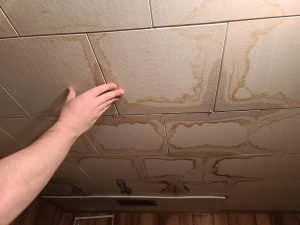
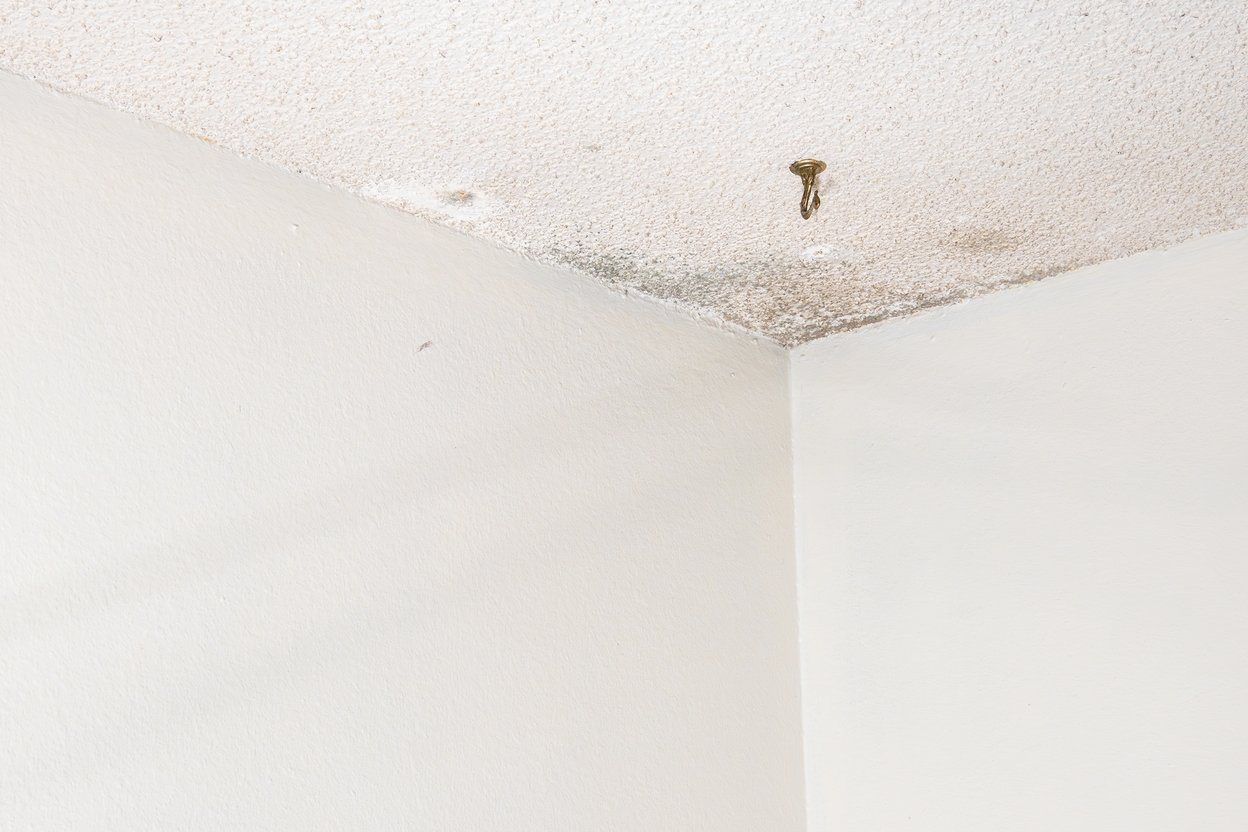
Ceiling leaks are particularly concerning because they often indicate an issue with the roof or upstairs plumbing. The most frequent sign is a water ring, which looks like a dark or rust-colored circle on the ceiling. As the water sits, the weight can cause the ceiling to sag or dip. If you have popcorn ceilings or textured finishes, you may see pieces of the texture falling off in specific spots. Ignoring a sagging ceiling is dangerous since the material can eventually give way under the weight of the accumulated water.
Musty Smells and Moisture Clues
Your nose is often one of the best tools for detecting a hidden leak. A persistent, earthy, or musty odor that does not go away with cleaning usually points to mold growth. Since mold thrives in dark, damp spaces, it often grows on the backside of drywall where you cannot see it. You should also keep an eye on your utility bills. An unexplained spike in your water usage often suggests that water is escaping somewhere in your plumbing system, even if you haven’t found a wet spot yet.
Why Hidden Damage Is Dangerous
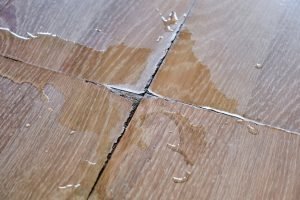
Allowing moisture to remain trapped in your home leads to more than just cosmetic issues. It weakens the structural integrity of your house by rotting wooden supports and rusting metal fasteners. Beyond the structure, the presence of dampness promotes the growth of allergens and mold spores that can impact the air quality in your home. The longer the water stays, the more difficult and expensive the restoration process becomes for the homeowner.
When to Call a Professional
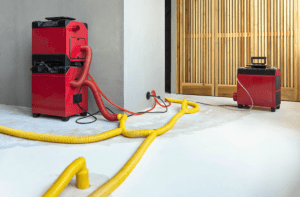
If you suspect your home has a water leak, it is important to act quickly. Professional restoration experts use specialized tools like thermal imaging cameras and moisture meters to find the exact source of the moisture without tearing down every wall. This targeted approach ensures that the repair is efficient and thorough.
If you have noticed any of these warning signs in your home, the team at Steamatic of Red River Valley is here to help. We provide expert inspection and restoration services to keep your property safe and dry. Contact us today to schedule an inspection and protect your home from long-term damage.
Photo Credit: knelson20