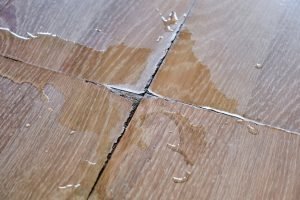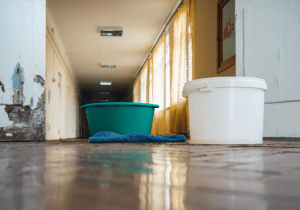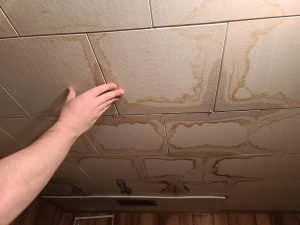
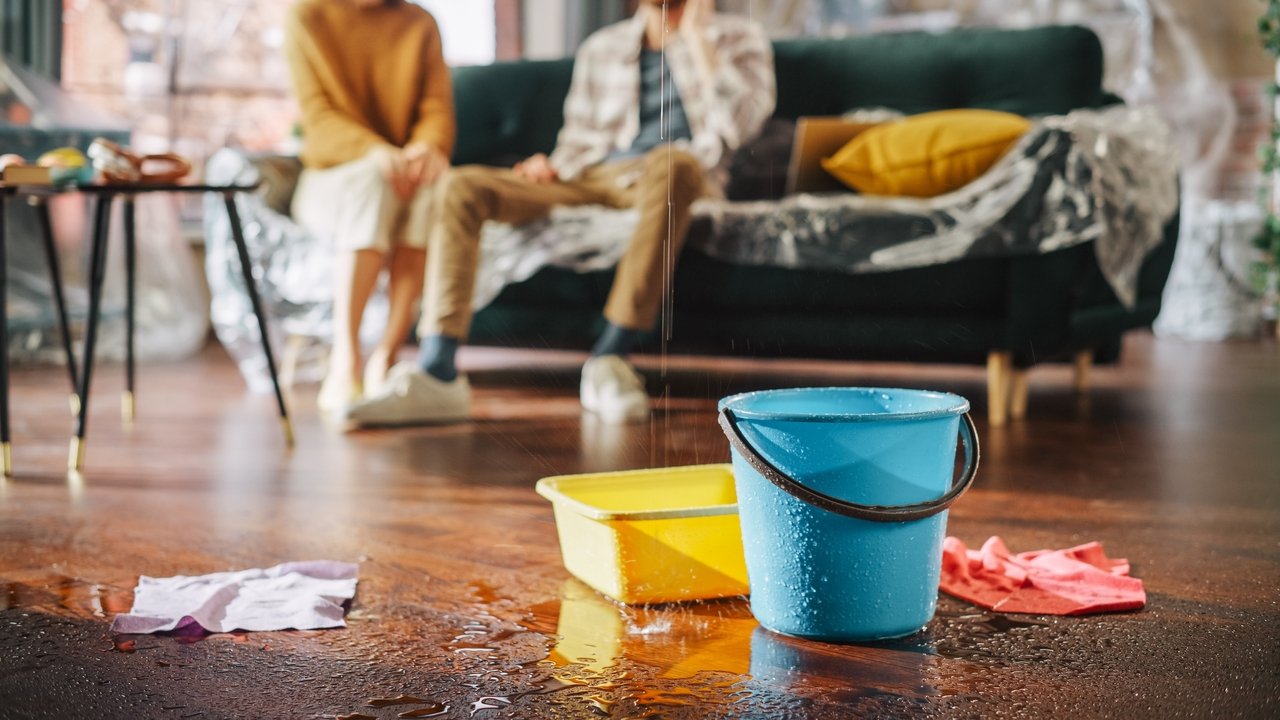
Discovering standing water in your home is a stressful experience that requires quick thinking and decisive action. Whether it is a burst pipe in the middle of the night or a flooded basement after a heavy storm in the Red River Valley, the first few hours are critical for limiting the extent of the destruction. Taking the right steps for emergency water damage can mean the difference between a simple drying process and a massive reconstruction project.
What Causes Water Damage in Homes
Water damage can stem from various internal and external sources. In the Grand Forks and Fargo areas, common culprits include sump pump failures during heavy rains, frozen pipes that burst during extreme cold snaps, and appliance malfunctions like leaking washing machine hoses or dishwasher overflows. Identifying the source of the water is the priority, as the type of water—whether clean, gray, or black—dictates the safety protocols you must follow during the water damage first steps.
Immediate Steps to Take After Water Damage
Once you notice a leak or flood, safety must be your primary concern. If the water has reached electrical outlets or your fuse box, do not enter the area until a professional has disconnected the power. If it is safe to move about, follow this water damage cleanup checklist:
-
- Stop the flow: If the water is coming from an internal source, turn off the main water shut-off valve immediately.
- Protect your belongings: Move furniture, electronics, and valuables to a dry area. If furniture is too heavy to move, place aluminum foil or wood blocks under the legs to prevent staining the carpet and the wood from swelling.
- Document everything: Take photos and videos of the standing water and any damaged items for insurance purposes.
- Remove excess water: Use a mop or towels to blot up as much water as possible on hard surfaces.
What Not to Do After Water Damage
Knowing what to avoid is just as important as knowing what to do. Avoid using a household vacuum cleaner to suck up water, as this can lead to electrical shock or ruin the motor. Do not walk on wet surfaces more than necessary, as this can spread contaminants and push water deeper into the subflooring. Additionally, never attempt to remove permanent flooring like carpet or tile yourself without professional guidance, as improper removal can lead to further structural issues or exposure to hazardous materials.
When to Call a Restoration Professional
While mopping up a small spill is manageable, significant flooding requires industrial-grade equipment. You should contact a restoration expert as soon as the water is stopped. Professionals have the moisture meters and thermal imaging cameras necessary to find water hidden behind drywall and under floorboards. If these pockets of moisture are not addressed, they will lead to rot and structural failure.
How Fast Mold Can Start
Time is the biggest factor in water damage restoration. Mold spores can begin to colonize and grow within 24 to 48 hours of moisture exposure. In the humid environments created by indoor flooding, mold spreads rapidly through organic materials like wood, drywall, and insulation. By acting within the first few hours, you significantly reduce the risk of mold-related health issues and the need for expensive mold remediation services.
Final Next Steps
If you are facing a water emergency in Grand Forks or Fargo, do not wait for the damage to worsen. The team at Steamatic of Red River Valley is ready to provide 24/7 emergency response to dry out your home and restore your peace of mind. Contact us today to get a professional restoration team on-site immediately.
Photo Credit: Gorodenkoff