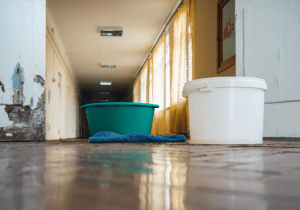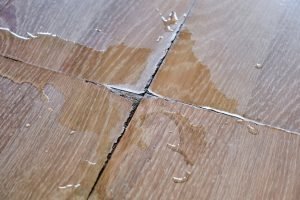
Whether it is from a burst pipe or a severe flood, water damage can wreak havoc on your home. Excess water quickly seeps into floors, framing, and wall cavities, threatening the integrity of the building and encouraging rapid mold growth. To save your property and prevent further damage, you need more than just a few towels or a standard fan. You need a proven moisture removal process known as structural drying.
What is Structural Drying?
Structural drying is a scientific moisture removal process used by restoration professionals to dry wet building materials from the inside out. Unlike traditional methods that rely heavily on tearing out wet drywall and flooring, applied structural drying focuses on keeping salvageable materials in place while using specialized equipment to draw out excess moisture.
The primary goal is to return your home’s moisture levels to their pre-damage or pre-loss state. By acting quickly to dry the structure, you can save valuable materials, reduce repair costs, and stop hazardous mold growth before it starts.
The Step-by-Step Moisture Removal Process
Drying a house after a flood requires a carefully balanced combination of air, heat, and dehumidification. The water damage restoration process generally follows these essential steps:
1. Water Extraction
The first step is always removing standing water. Using heavy-duty pumps and specialized water extraction equipment, professionals extract as much liquid water as possible from carpets, floors, and other surfaces. Physical extraction is significantly faster and more efficient than waiting for water to evaporate.
2. Air Movement
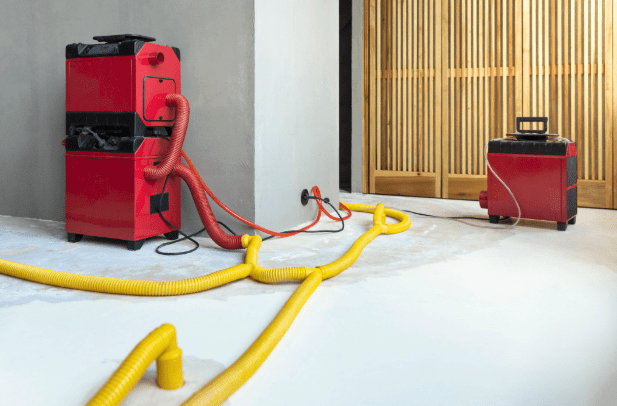
Once standing water is removed, high-velocity air movers are placed strategically around the wet area. This aggressive air circulation sweeps across wet walls and floors, lifting moisture from the surface of the materials and pushing it into the surrounding air as water vapor.
3. Dehumidification
Pushing moisture into the air is only half the battle; that water vapor must be removed, or it will simply settle back into the structure. Industrial-grade dehumidifiers capture the humid air, extract the water vapor, and pump warm, dry air back into the room. This continuous dehumidification process safely lowers indoor humidity levels.
4. Temperature Control
Temperature heavily influences how quickly materials dry. Warm air holds more moisture than cold air, making the drying process more efficient. Restoration experts carefully monitor and adjust room temperatures to optimize evaporation rates without causing secondary heat damage.
How Long Does It Take to Dry Walls and Floors?
One of the most common questions homeowners ask is how long it takes to dry out a room after water damage. On average, standard structural drying takes between three to five days. However, the exact timeline depends on the severity of the flood, the type of water, and the building materials involved.
For example, wet drywall and wood framing can dry effectively if the process begins within the first 24 to 48 hours. Hardwood floors and concrete slabs, being significantly denser, hold onto water much longer and may require specialized drying mats or extended timeframes to reach safe moisture levels. Without professional moisture meters, it is nearly impossible to tell if hidden wall cavities are completely dry, leaving your home at risk for hidden structural decay.
Protect Your Home with Professional Water Damage Restoration
Attempting to dry a house after a flood using basic household fans often leaves dangerous excess moisture trapped deep inside your walls. The longer moisture lingers, the higher the risk for severe structural failure and mold infestations. If you are dealing with water-damaged properties, trusting the process to certified experts ensures the job is done safely and thoroughly.
Do not leave your home’s structural integrity to chance. If you have experienced a flood, burst pipe, or severe leak, reach out for professional help immediately. Contact Steamatic of Red River Valley today for expert water damage restoration and reliable structural drying services.
Photo credit: Lea Rae