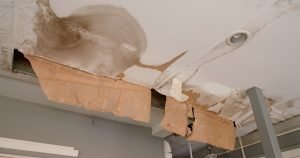
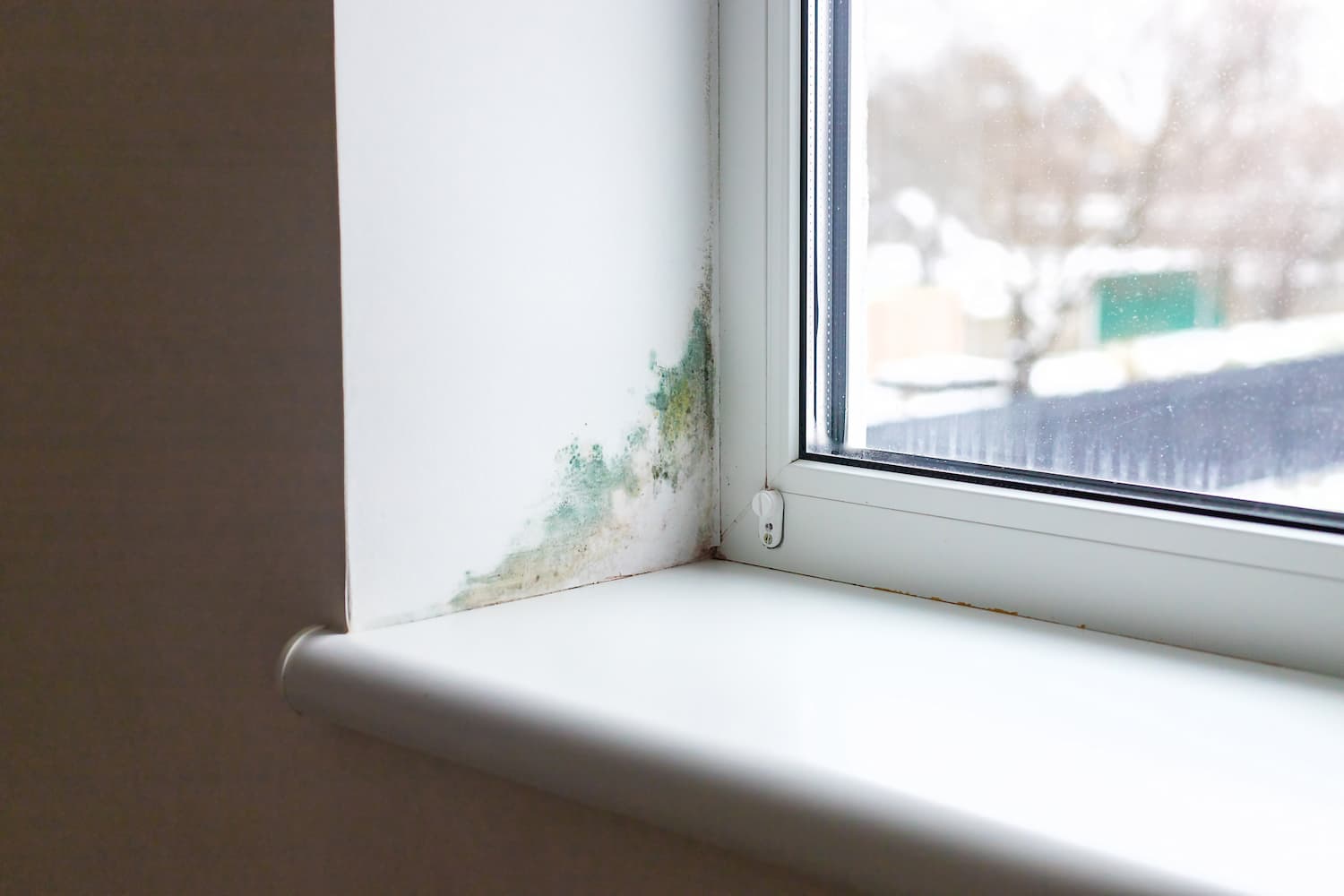
Water damage can happen unexpectedly, whether it’s a burst pipe, appliance leak, storm damage, or an overflowing fixture. While the water itself can cause significant damage, what happens afterward is often just as concerning. Moisture left behind can create the perfect environment for mold growth, sometimes within just a day or two.
The good news is that quick action can make a big difference. If you’re looking to prevent mold after water damage, understanding the steps to take immediately can help protect your home and reduce the risk of larger problems later.
Why Mold Grows After Water Damage
Mold needs three basic things to grow: moisture, organic material, and time. Unfortunately, most homes provide plenty of surfaces that mold can use as a food source, including drywall, wood, insulation, carpeting, and dust.
After a water event, moisture can become trapped behind walls, under flooring, or inside insulation where it may not be immediately visible. Even when surfaces appear dry, hidden moisture can remain and create ideal conditions for growth.
Immediate Steps to Prevent Mold
The first 24 to 48 hours after a water leak are critical. The faster moisture is removed, the lower the risk of mold developing.
If it is safe to do so, take these steps as soon as possible:
- Stop the source of the water
- Remove standing water
- Move furniture and belongings away from affected areas
- Remove wet rugs, fabrics, and other absorbent materials
- Increase airflow by opening doors and windows when weather allows
Many homeowners focus on visible water but overlook moisture that has soaked into surrounding materials. Acting quickly helps stop mold growth after a leak before it has a chance to take hold.
Importance of Drying and Airflow
Water can travel into flooring, wall cavities, and other hidden spaces where it may linger for days. Proper airflow helps moisture evaporate more efficiently. Air movers and fans can help circulate air throughout affected areas, while opening up enclosed spaces allows trapped moisture to escape.
One of the most effective mold prevention tips is to continue the drying process even after surfaces appear dry to the touch. Moisture that remains hidden can still create problems later.
Dehumidification and Moisture Control
Humidity levels often rise significantly after water damage. Even if standing water has been removed, excess moisture in the air can continue feeding mold growth.
Dehumidification helps pull moisture out of the air and speeds up the drying process for building materials and contents. Professional restoration teams use specialized equipment to monitor moisture levels and ensure affected areas reach appropriate drying standards.
If you’re trying to dry a house after a flood, controlling humidity is just as important as removing the water itself.
Common Mistakes to Avoid
Many mold issues develop because water damage is underestimated.
Some common mistakes include:
- Assuming the area is dry because the surface looks dry
- Waiting too long to begin cleanup
- Ignoring damp insulation or carpet padding
- Covering affected materials before they are fully dry
- Relying on household fans alone for significant water damage
These shortcuts can allow moisture to remain hidden and increase the likelihood of future mold problems.
When Prevention Isn’t Enough
Even with quick action, some situations require professional attention. Major water leaks, contaminated water, recurring issues, or moisture that has been present for several days can create conditions where mold growth becomes difficult to prevent.
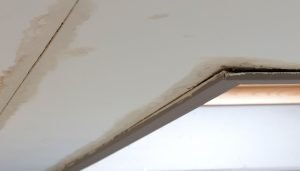
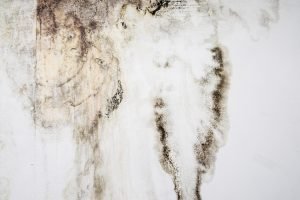
Warning signs may include musty odors, discoloration on walls or ceilings, or ongoing moisture issues that don’t seem to improve. In these cases, professional inspection and mold remediation may be necessary to protect your home and family.
Stop Mold Before It Starts
Water damage is stressful enough without worrying about mold developing afterward. Taking fast action, drying thoroughly, and controlling moisture can go a long way toward protecting your home and your family’s comfort.
At Steamatic of Red River Valley, we understand how overwhelming water damage and mold removal can feel. Our experienced team is ready to help with professional drying, moisture detection, and restoration services designed to address the problem before it becomes something bigger. If your home has experienced water damage, don’t wait to get the help you need – contact us today!
Photo credit: YAKOBCHUK VIACHESLAV