
Water damage escalates faster than you think. Learn what happens to your home within 24, 48, and 72 hours, and why immediate restoration saves thousands in repairs. Read our latest guide to protect your property!
Water Damage Timeline: What Happens in the First 24, 48 and 72 Hours?
- Water absorption begins within minutes, soaking into drywall, flooring, and furniture.
- Mold spores can start germinating and spreading in as little as 24 to 48 hours.
- Delaying restoration beyond 72 hours leads to severe structural instability and costly repairs.
Water damage spreads rapidly through structural materials, destroying drywall, ruining flooring, and creating health hazards within hours. When indoor flooding occurs, property owners face a strict race against time to minimize destruction. Steamatic of Red River Valley delivers rapid emergency restoration services throughout Grand Forks and Fargo, ND, designed to stop moisture progression and protect homes before minor leaks become massive financial burdens.
Understanding the water damage timeline highlights exactly why immediate mitigation is the most effective way to save thousands on structural repairs.
24 Hours
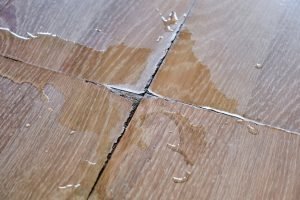
Within the first 24 hours, standing water saturates everything it contacts, causing immediate material degradation. Drywall absorbs moisture rapidly through capillary action, swelling and losing its structural integrity. Wooden flooring, furniture, and trim begin to warp, stain, and absorb water deep into the grain.
Insulation rapidly loses its thermal resistance as water fills the air pockets between fibers, turning it into a wet, heavy weight that presses against interior walls. Additionally, electrical hazards develop quickly as water migrates toward outlets, wiring, and appliances. Taking swift action during this initial day keeps water contained, dramatically reducing overall repair bills.
48 Hours
Between 24 and 48 hours, standing moisture causes secondary damage to structural components and indoor air quality. Paint and wallpaper begin to blister, peel, and separate from damp drywall. Wood framing expands, causing doors and windows to jam inside their frames.
The humidity inside the property spikes dramatically, creating an environment where wood rot accelerates and microbial growth takes root. Carpet padding begins to break down, trapping foul odors and bacteria deep within floor assemblies. Addressing moisture during this window is critical to preventing permanent structural warping.
72 Hours
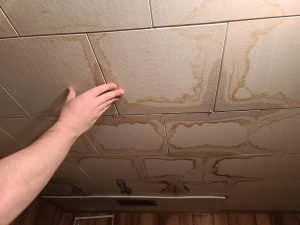
By the 72 hour mark, water damage shifts from a minor cleanup into a severe restoration project. Drywall crumbles under its own weight, ceilings sag, and subfloors weaken significantly. Heavy moisture saturation breaks down adhesives, causing vinyl, tile, and laminate flooring to buckle and lift completely.
Indoor air quality declines rapidly as airborne contaminants spread through the HVAC system. At this stage, simple water extraction is no longer sufficient; extensive demolition, structural drying, and deep sanitation become absolute necessities to make the home safe again.
Mold Growth
Mold growth begins in as little as 24 to 48 hours following water exposure. Fungal spores require only moisture, oxygen, and organic matter like wood or drywall to thrive. Once established, mold colonies release microscopic spores into the air, causing unpleasant odors and potential respiratory issues for occupants.
Allowing mold to grow unchecked turns an ordinary cleanup into a complex remediation effort, increasing restoration timeline and costs.
Structural Damage
Untreated water exposure permanently compromises the integrity of structural framing and foundation materials. Load-bearing studs, joists, and subflooring absorb excess moisture, leading to deep wood rot and eventual sagging.
As water sits, metal components corrode, fastener connections weaken, and concrete foundations can absorb water, creating microscopic cracks. Professional drying techniques are essential to extract hidden moisture deep within wall cavities and preserve structural stability.
Emergency Response
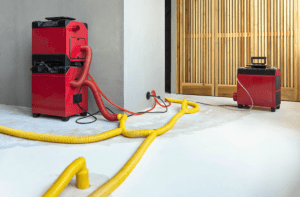
Professional emergency response stops water damage in its tracks before irreversible structural failure occurs. Trained technicians utilize industrial-grade extractors, dehumidifiers, and thermal imaging cameras to locate trapped moisture and dry structural elements quickly.
Acting immediately protects property value and ensures a complete, safe restoration. Contact Steamatic of Red River Valley today for immediate water damage restoration services.
Photo credit: Rydnbz