Spots or discoloration on basement walls, bathroom ceilings, around windows, or near vents can immediately ring alarm bells – especially when you’re not sure what caused them. But not every dark mark or dusty-looking patch is mold. Dirt, soot, mineral deposits, and other household buildup can look surprisingly similar.
If you’re trying to figure out how to identify mold, look beyond the color. Texture, smell, moisture nearby, and whether the spot keeps coming back can all offer useful clues.
So, is it mold or dirt? In some cases, a closer look can help you narrow it down. In others, especially when moisture or recurring growth is involved, it’s worth having the area professionally evaluated.
Visual and Sensory Clues: How to Tell Mold and Dirt Apart
Mold doesn’t have one specific look. It can vary depending on the surface, moisture level, and surrounding conditions, which is why it’s sometimes mistaken for an ordinary stain.
Texture and Color Profiles
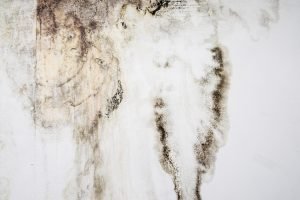
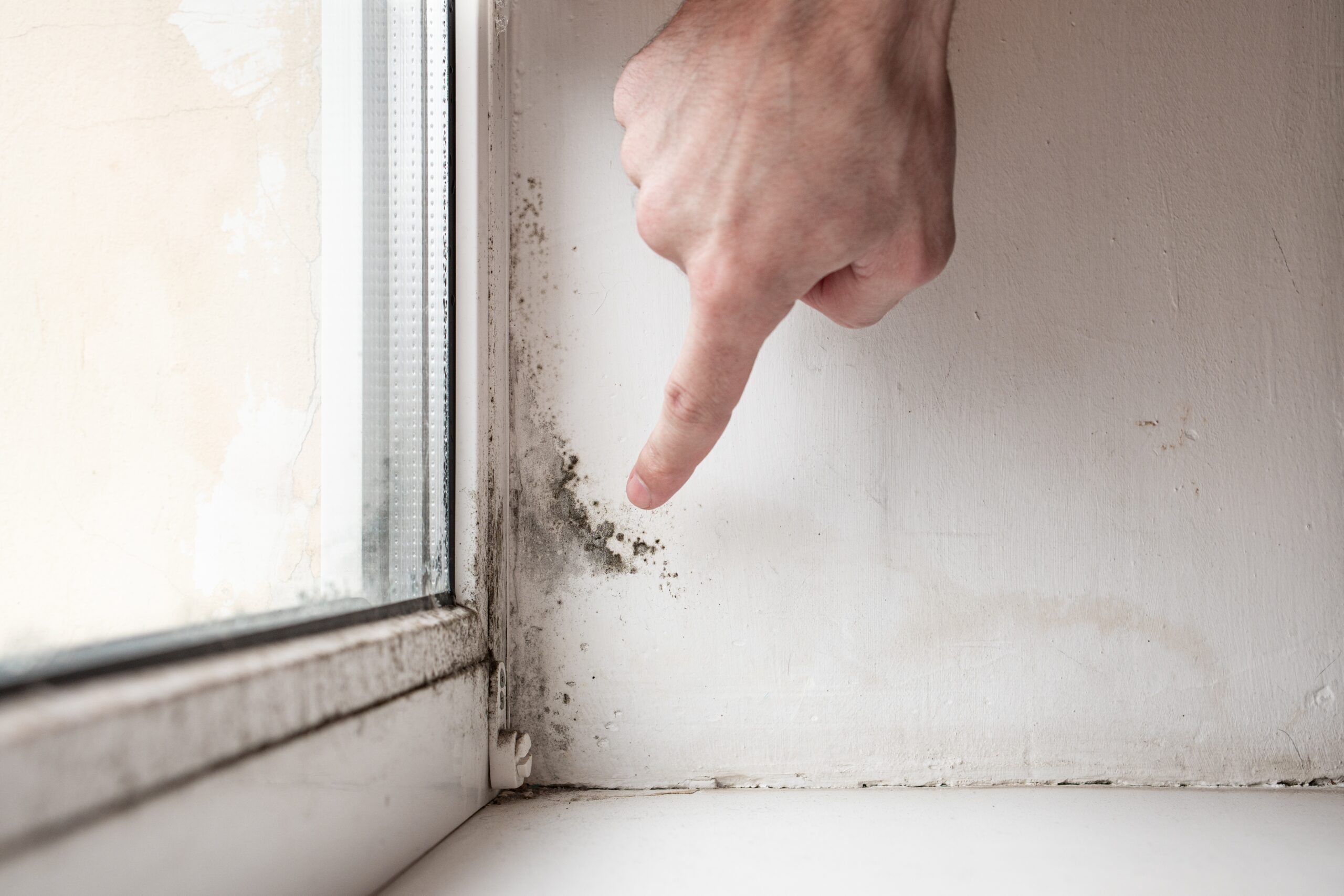
Mold may appear fuzzy, powdery, raised, slimy, or irregular. It can also show up in clusters or spots that spread over time. Colors may include black, green, gray, brown, or white.
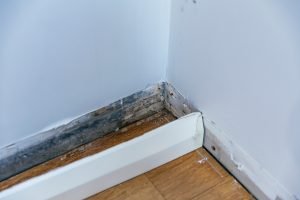
Dirt and dust tend to look more uniform. They often collect along baseboards, around vents, on horizontal surfaces, or in corners where debris naturally settles.
The pattern can offer another clue. A stain that grows, changes shape, or returns after cleaning deserves more attention than dust that slowly builds up.
The Sniff Test and Environmental Factors
Sometimes your nose picks up on a problem before your eyes do.
Mold is often associated with a musty or earthy odor. You may notice it when entering a basement, opening a closet, or getting close to a wall or cabinet.
Take a closer look at what’s happening nearby. Is the room humid? Has there been a leak? Does condensation collect on the window? Has the basement recently taken on water?
A suspicious stain in an area with a history of moisture is worth a closer look.
Quick DIY Tests vs. Common Stains That Imitate Mold
Household Imposters: Dirt, Mildew, Soot, and Efflorescence
Several common substances can be mistaken for mold:
-
- Dust and dirt often collect around HVAC vents, baseboards, ceiling fans, and areas with frequent airflow.
- Soot can leave dark gray or black staining near fireplaces, candles, or heating equipment.
- Efflorescence is a white, chalky or crystalline deposit that can appear on concrete, brick, and masonry when moisture leaves mineral salts behind.
- Mildew is a term commonly used for certain types of surface fungal growth, often in damp areas.
It’s also helpful to consider where the stain is located. For example, white material on a concrete basement wall may be a mineral deposit, while irregular spotting on damp drywall near a plumbing leak raises different concerns.
The Bleach Spot Test (And Its Limitations)
You may have heard that putting bleach on a suspicious spot can tell you whether it’s mold. Unfortunately, this isn’t a reliable test.
A stain changing color after contact with a cleaner doesn’t confirm what caused it. Bleach also isn’t right for every surface, and treating the visible mark does nothing to fix the moisture problem behind it.
Rather than experimenting with household chemicals, check the surrounding area for moisture. If the affected area is large, keeps returning, or you simply aren’t sure what you’re seeing, it may be time for a professional inspection.
Look at What’s Happening Around the Spot
Often, what’s happening around a stain tells you more than the stain itself. Mold needs moisture, so finding out where that moisture might be coming from can help narrow things down.
Check for Leaks, Condensation, and Water Damage
Look above, below, and behind the affected area when possible. Common moisture sources include:
-
- Leaking plumbing fixtures or pipes
- Roof or flashing leaks
- Window condensation
- Damp basements or crawl spaces
- Poor bathroom ventilation
- Appliance leaks
- Previous flooding or water damage
Here in Grand Forks and Fargo, winter can create its own moisture problems. Warm indoor air can meet extremely cold surfaces and lead to condensation around windows, exterior walls, attics, and other vulnerable areas. Then, as temperatures rise, snowmelt can introduce even more moisture around the home.
You don’t need standing water for mold to become a concern. Damp materials or repeated condensation may be enough.
Pay Attention to Where the Stain Keeps Returning
If a stain returns after cleaning, that can be a sign there’s more going on beneath the surface. Cleaning may remove the visible discoloration without addressing moisture inside a wall, beneath flooring, or somewhere nearby.
Instead of wiping away the same stain again and again, look for the reason it keeps returning. Fixing the moisture source is an important part of keeping the problem from coming back.
When Suspicion Turns to Action: When to Call the Experts
Not every household stain means you have a mold problem. But there are times when guessing isn’t worth it.
Consider professional help if you notice:
-
- A large or expanding area of suspected growth
- Recurring discoloration after cleaning
- Persistent musty odors without an obvious source
- Suspected mold after significant water damage
- Growth in wall cavities or hard-to-access areas
- Wet or damaged drywall, insulation, carpet, or other porous materials
A professional can evaluate the area, look for moisture, and help determine what should happen next. If remediation is needed, the job isn’t just about removing what you can see. The moisture source needs attention too, or the problem may return.
FAQs: Mold vs. Dirt
Can Mold Look Like Dust or Dirt?
Yes. Some mold growth can look powdery or resemble dark dirt, especially from a distance. Pay attention to moisture, location, and whether the substance changes or returns over time.
Does Mold Always Have a Musty Smell?
No. A musty odor can be a useful clue, but the absence of one doesn’t rule out mold. Small areas or hidden growth may not produce a noticeable smell.
Can I Wipe Mold Away to See If It Comes Back?
Wiping a suspicious surface isn’t a reliable way to identify mold. If moisture remains behind or beneath the surface, discoloration or growth may return.
What Colors Can Household Mold Be?
Mold can appear black, green, white, gray, brown, or other shades. Color alone can’t tell you whether a substance is mold or what type it may be.
Can Mold Grow During North Dakota Winters?
Yes. Freezing temperatures outside don’t mean every part of your home is dry. Plumbing leaks, indoor humidity, attic condensation, and moisture around cold surfaces can create damp conditions indoors even during a Grand Forks or Fargo winter.
Protect Your Red River Valley Home: Get Expert Mold Inspection Today
If you’ve found a suspicious stain, the best next step is to look at the full picture. Moisture, odor, location, and whether the spot keeps returning can all help you determine whether you’re dealing with ordinary buildup or something more serious. Ultimately, calling in a professional is always a smart move if you want peace of mind and a clear answer about what’s happening in your home.
Steamatic of Red River Valley has been serving Grand Forks, Fargo, and surrounding communities since 1995. Our experienced team knows where moisture problems tend to show up in local homes and how to evaluate areas where mold may be a concern.
Contact Steamatic of Red River Valley to schedule an inspection today!
Photo credit: Jenya Smyk