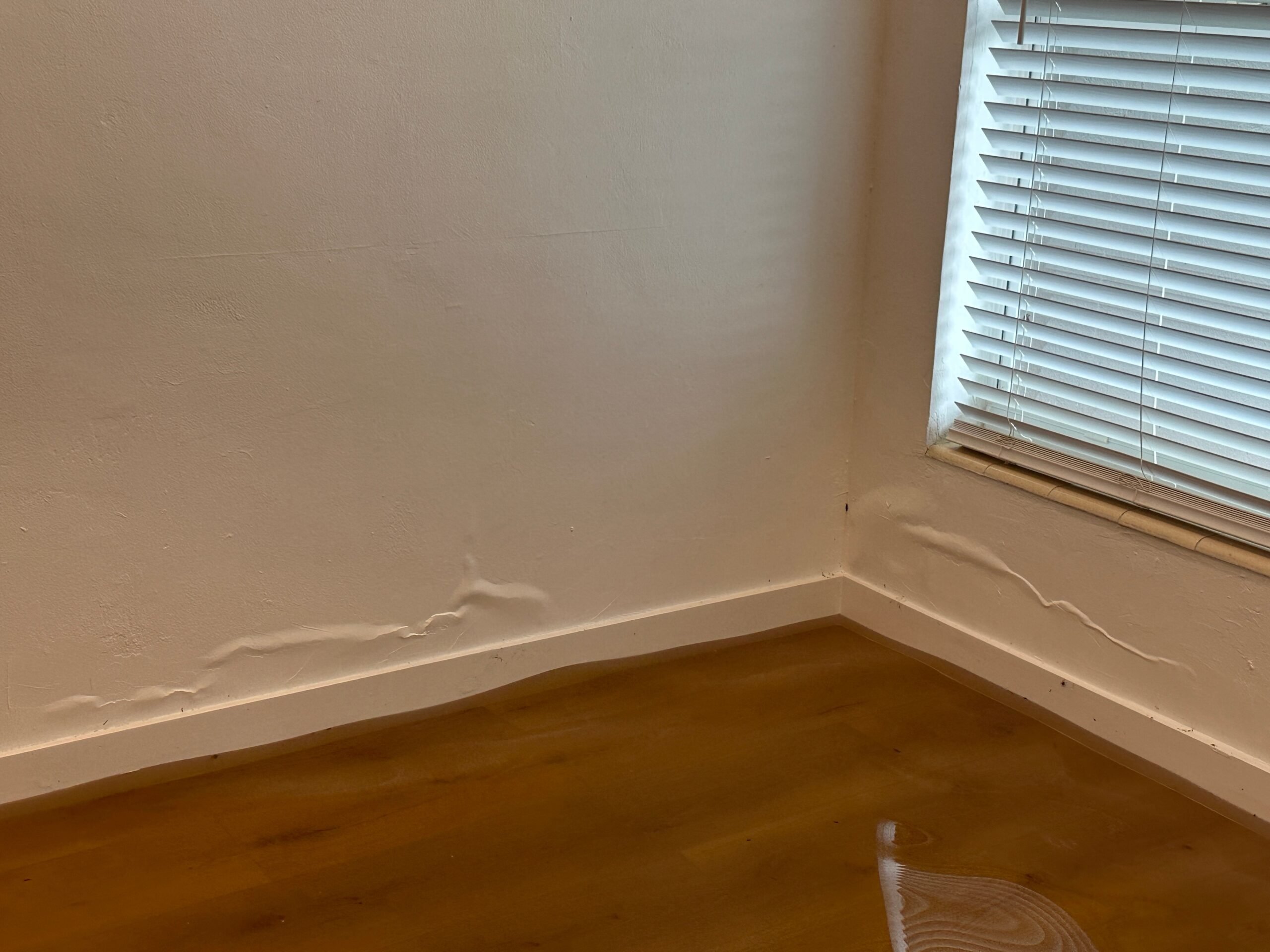
Water damage falls into three categories based on how contaminated the water is: Category 1 (clean water), Category 2 (gray water), and Category 3 (black water). Each of the water damage categories requires a different cleanup approach, and some situations can pose serious health risks.
What Are the 3 Categories of Water Damage?
The Institute of Inspection, Cleaning and Restoration Certification (IICRC) uses three categories to describe water contamination. The difference between Category 1, 2, and 3 water damage isn’t how much water is present, but what’s in it and the potential risks of exposure.
Category 1: Clean Water
Category 1 water comes from a sanitary source and doesn’t initially contain significant contamination.
Common examples include:
-
- Broken water supply lines
- Overflowing sinks with clean water
- Leaking faucets or supply connections
- Certain appliance supply line failures
Although this water starts out clean, it doesn’t necessarily stay that way. Contact with contaminated materials or prolonged exposure to building materials can cause conditions to deteriorate. Prompt cleanup is still important, even when the water appears harmless.
Category 2: Gray Water
Category 2 water contains significant contamination and may cause discomfort or illness if someone comes into contact with it.
Possible sources include:
-
- Washing machine discharge
- Dishwasher wastewater
- Certain toilet overflows containing urine but no feces
- Water that has picked up contaminants from affected materials
Gray water requires more caution than clean water. Depending on what was affected, professional cleaning, disinfection, and removal of contaminated materials may be necessary.
Category 3: Black Water
Category 3 is the most contaminated classification. It includes water that may contain harmful pathogens, sewage, chemicals, or other hazardous substances.
Common sources of black water damage include:
-
- Sewage backups
- Floodwater from rivers or streams
- Groundwater entering a building
- Toilet backups containing fecal matter
Black water should never be treated like an ordinary spill. Direct contact can pose serious health risks, and contaminated materials often require specialized removal and disposal.
How Do Water Damage Categories Affect Cleanup and Restoration?
The category determines how restoration professionals approach cleaning, drying, and material removal. Two rooms with the same amount of standing water may need completely different treatment depending on the source.
Water Category vs. Water Damage Class
These terms sound similar, but they measure different things.
-
- Water category describes the level of contamination and potential health risks.
- Water damage class describes the extent of water absorption and the difficulty of drying affected materials.
For example, a small sewage backup may be Category 3 even if it affects only one room. Meanwhile, a clean water pipe break could saturate multiple rooms and require extensive structural drying.
What Can Be Dried vs. What Must Be Removed?
Not every water-damaged material needs replacement. The decision depends on the water category, material type, exposure time, and extent of contamination.
Generally:
-
- Hard, nonporous surfaces may be cleaned, disinfected, and restored.
- Structural wood and framing may be salvageable depending on contamination and condition.
- Carpet and padding may be dried after certain clean water losses but often require removal after contaminated water exposure.
- Drywall and insulation may need replacement when saturated or contaminated.
Professional assessment helps determine what can safely remain and what needs to go.
When Is DIY Cleanup Unsafe and How Can Steamatic Help in the Red River Valley?
DIY water damage cleanup can be dangerous when sewage, floodwater, or other contaminants are involved. Harmful bacteria, viruses, and electrical hazards can put your safety at risk, while moisture and contamination trapped beneath flooring or behind walls may go unnoticed. Without proper equipment, it’s difficult to ensure the area is thoroughly cleaned and safe.
Steamatic of Red River Valley has served Fargo, Grand Forks, and surrounding communities since 1995. Our experienced team provides 24/7 emergency water damage restoration and cleanup services, including contaminated water and sewage losses.
Whether you’re dealing with a broken pipe or a major sewage backup, contact Steamatic of Red River Valley today.
Photographer: Pgwynn / Shutterstock