After water damage, hardwood floors can sometimes be saved – especially when professional drying begins quickly. Whether restoration is possible depends on the water source, how long the floor was wet, the type of flooring, and the condition of the subfloor.
What Water Does to Solid Hardwood, Engineered Wood, and Laminate
Wood naturally absorbs moisture, which causes it to expand. When flooring gets wet, that expansion can lead to swelling, uneven boards, and damage to the materials underneath.
However, different flooring types respond to water in different ways:
- Solid hardwood: Made from a single piece of wood, solid hardwood can sometimes be dried and restored if the boards haven’t suffered permanent damage.
- Engineered hardwood: Made with a real wood surface over layered materials, engineered flooring may be more difficult to restore if water causes the layers to separate.
- Laminate: Laminate typically has a fiberboard core that swells when wet, so significant water damage often requires replacement.
Cupping vs. Crowning vs. Buckling: What Each Sign Means
Changes in the shape of your floorboards can provide valuable clues about what’s happening beneath the surface.
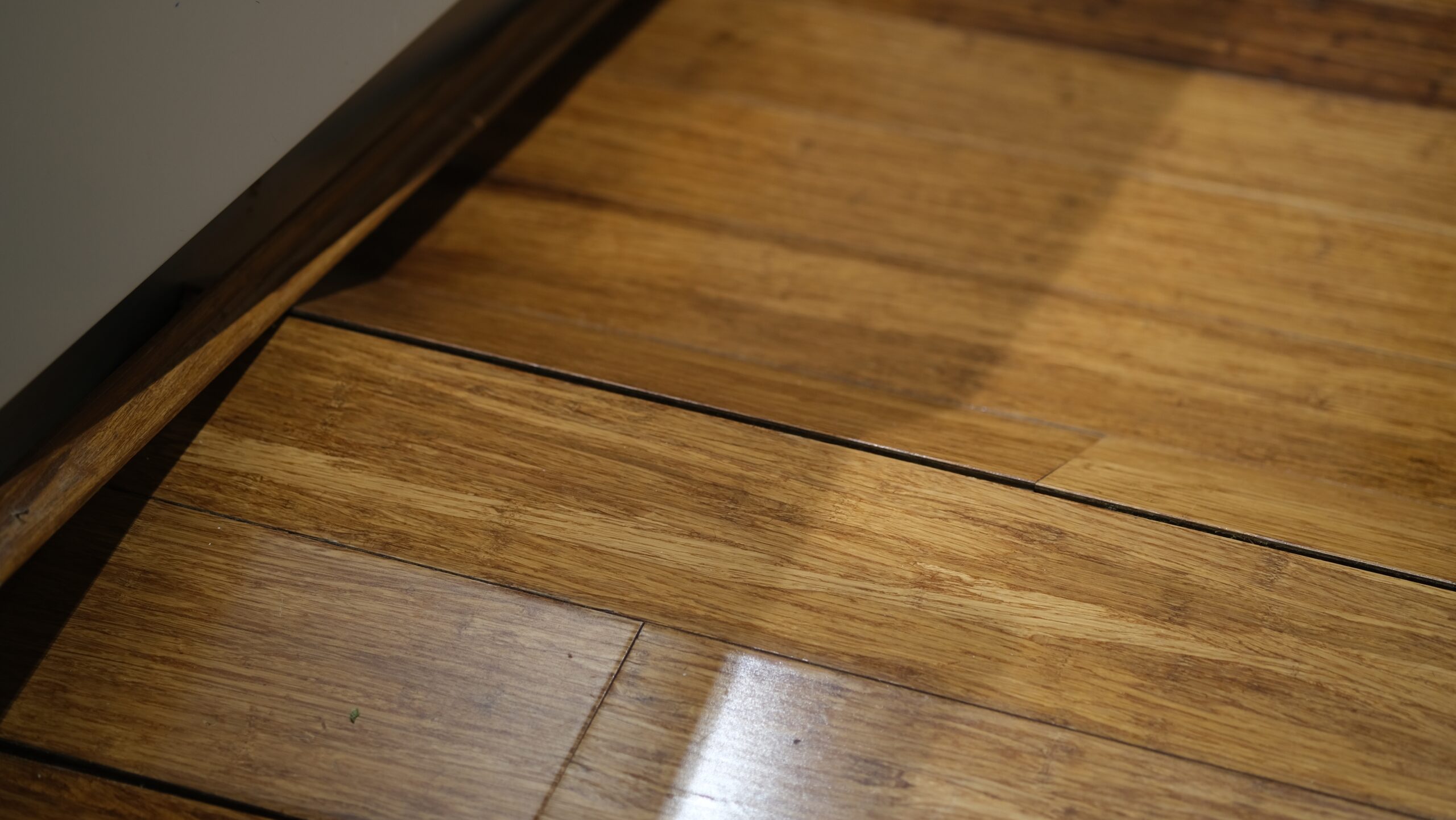
- Cupping: The edges of individual boards rise higher than the center, creating a shallow, curved appearance. This often happens when the underside of the flooring contains more moisture than the top.
- Crowning: The center of a board rises higher than its edges. Uneven moisture levels can cause crowning, but it can also develop when cupped boards are sanded before they’re fully dry.
- Buckling: Boards lift away from the subfloor, sometimes creating noticeable gaps or raised sections. This usually indicates more significant movement and may require replacement.
These changes don’t automatically mean the entire floor is ruined. However, they do suggest that moisture needs to be investigated before repairs begin.
The Factors That Determine Whether Hardwood Is Salvageable
Can hardwood floors be saved after water damage? There are several factors that come into play.
Restoration professionals look at:
- Exposure time: How long water remained on or beneath the flooring.
- Amount of moisture: Whether water affected only the surface or penetrated the boards and subfloor.
- Flooring construction: Solid hardwood generally offers different restoration options than engineered wood or laminate.
- Visible damage: Severe warping, splitting, or separation can make restoration less practical.
- Subfloor condition: Moisture trapped beneath the flooring can interfere with drying and cause additional damage.
A professional assessment helps determine whether drying is a reasonable option or if some materials need to be removed.
Why the Water Source/Category Matters
Not all water damage carries the same risks. Restoration professionals classify water into three categories based on contamination.
- Category 1 (clean water) comes from sanitary sources, such as a broken supply line. Floors affected by clean water may be salvageable when drying starts promptly.
- Category 2 (gray water) contains significant contamination and requires additional precautions during cleanup.
- Category 3 (black water) includes sewage and certain floodwaters that may contain dangerous contaminants. Flooring exposed to this water often requires removal, especially if contamination has reached inaccessible areas beneath the boards.
Even water that starts clean can become contaminated over time or through contact with other materials. The source affects both the safety of the cleanup and whether restoration is appropriate.
Why Surface-Dry Does Not Mean the Subfloor Is Dry
One of the biggest challenges with water-damaged hardwood floors is moisture you can’t see.
Water can travel through seams between boards and collect in the subfloor. The hardwood may feel completely dry underfoot while the plywood, concrete, or other materials underneath remain damp.
That trapped moisture can contribute to continued warping, adhesive failure, and microbial growth.
Simply running a fan across the floor may dry the surface without addressing the underlying problem. Both the hardwood and subfloor need to reach appropriate moisture levels before restoration is considered complete.
How Professionals Use Moisture Meters and Specialized Drying Systems
When professionals work on drying hardwood floors after water damage, the process involves more than removing standing water.
Restoration technicians use moisture meters to measure moisture levels in flooring and surrounding materials. By comparing readings over time, they can track drying progress and identify areas that need additional attention.
Depending on the situation, specialized equipment may include:
- Water extraction equipment to remove standing water and accessible moisture.
- Floor drying systems that draw moisture from beneath and between floorboards.
- Dehumidifiers that remove excess moisture from the air.
- Air movers that support evaporation and controlled drying.
At Steamatic of Red River Valley, our structural drying and dehumidification services help address moisture throughout affected building materials, not just on visible surfaces.
Why Homeowners Should Not Sand or Refinish a Wet Floor Too Early
Sanding may seem like a quick fix for cupped or uneven boards, but refinishing too soon can make the damage worse.
As hardwood dries, it gradually changes shape. Sanding raised edges before moisture levels stabilize can leave the boards crowned once they finish drying.
Some cupped floors flatten naturally as moisture levels return to normal. Others may require refinishing after drying, while severely damaged boards may need replacement.
The important part is allowing the wood to stabilize before making permanent repairs.
When Replacement Is More Likely Than Restoration
Unfortunately, not every hardwood floor can be saved. Replacement becomes more likely when:
- Boards have buckled, split, or separated significantly.
- Engineered flooring layers have begun to delaminate.
- The subfloor is severely damaged or deteriorating.
- Contaminated water has penetrated flooring materials.
- Moisture has remained trapped long enough to cause extensive damage.
In some cases, only the affected boards need replacement rather than the entire floor. A professional evaluation can help avoid unnecessary demolition while making sure damaged materials aren’t left behind.
What to Do Immediately After Discovering Water on Hardwood
If you discover water on your hardwood flooring, quick action can help limit the damage.
-
- Stop the water source. Shut off the supply if possible and safe.
- Remove standing water. Use towels or a wet vacuum for small, clean-water spills when there are no electrical hazards.
- Move furniture and rugs. Clear the area to prevent additional moisture from becoming trapped.
- Avoid excessive heat. Don’t use space heaters or high temperatures to force the flooring to dry.
- Document the damage. Take photographs for your insurance company before significant cleanup or repairs.
- Contact a restoration professional. Hidden moisture often requires specialized detection and drying equipment.
Steamatic provides water damage restoration services to help homeowners address water intrusion before it causes further damage.
FAQs
Can cupped floors flatten again?
Yes, some cupped hardwood floors flatten as they dry. It depends on the extent of the damage and whether the moisture source has been fixed. Avoid sanding until the wood has fully stabilized.
How long can drying take?
Initial drying may take several days, but hardwood can take weeks or longer to fully stabilize. Moisture readings help determine when the floor is dry enough for repairs.
Does insurance cover damaged flooring?
Insurance may cover sudden, accidental water damage, such as a burst pipe. Flooding and gradual leaks may not be covered. Check your policy and document the damage before making repairs.
Get Expert Help for Water-Damaged Hardwood Floors in the Red River Valley
Steamatic of Red River Valley has been serving homeowners in Fargo, Grand Forks, and surrounding communities since 1995. Our experienced team provides 24/7 emergency water restoration, moisture detection, and structural drying services to help protect your home from further damage.
Before making decisions about tearing out your flooring, contact Steamatic of Red River Valley for a professional assessment or call us for 24/7 emergency response services in Fargo and Grand Forks.
Photo credit: Wisely / Shutterstock