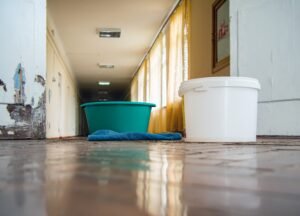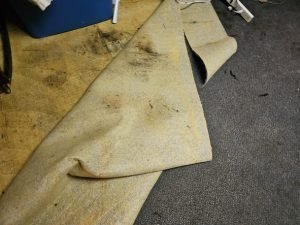
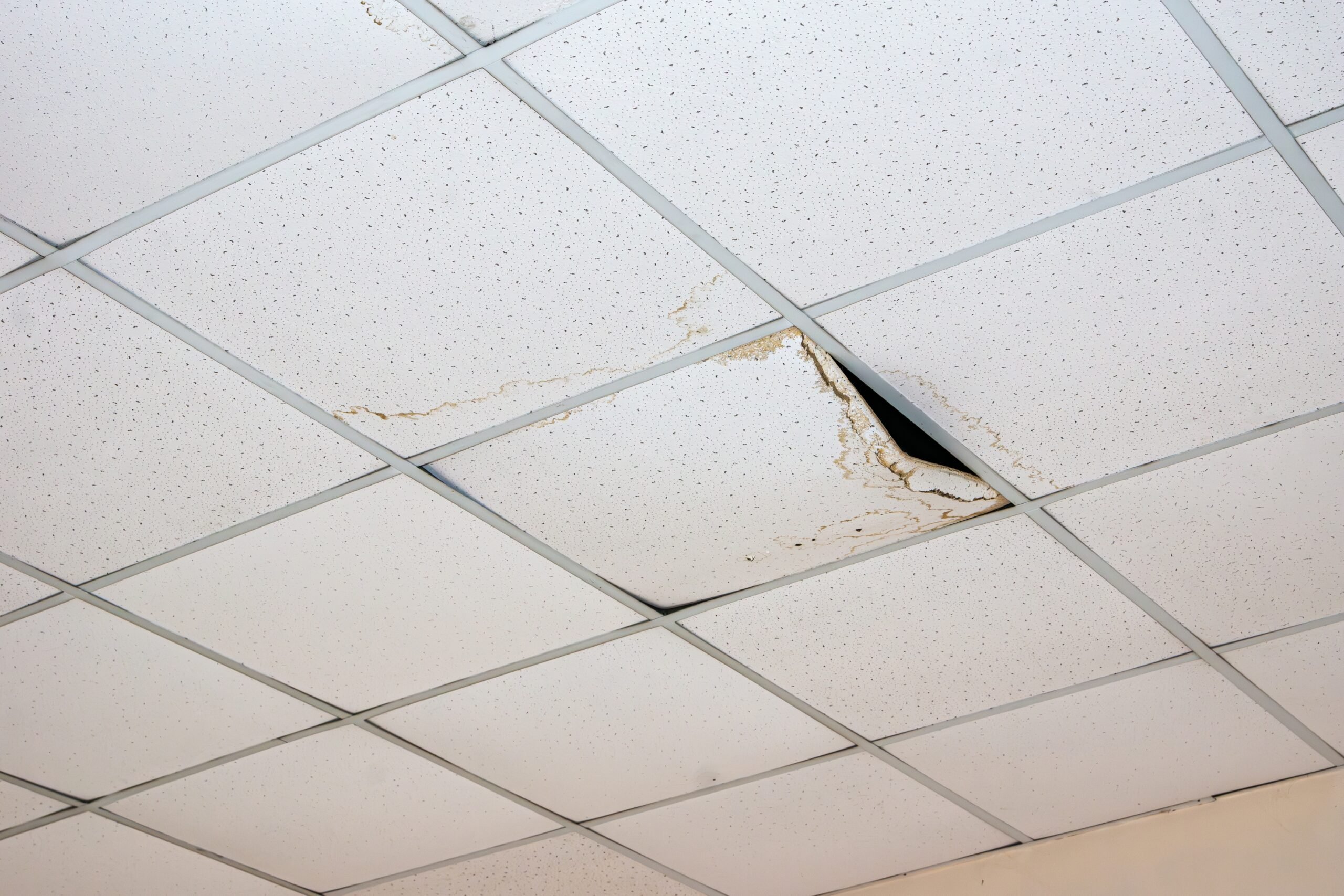
A burst pipe, sprinkler malfunction, or major leak can bring business operations to a halt with little warning. When commercial water damage occurs, the first hour is especially important for protecting employees, limiting property damage, and reducing downtime.
If your business experiences a water emergency, follow these immediate steps:
-
- Evacuate hazardous areas and keep employees and customers away from water.
- Shut off the water supply if it’s safe to reach the valve.
- Avoid wet electrical equipment, outlets, and standing water near power sources.
- Notify your facility manager, building owner, and designated emergency contacts.
- Photograph the damage from a safe location and contact a 24/7 restoration company.
These first steps can help limit the damage while professional crews prepare to respond.
Hours 0–4: Life Safety, Hazard Mitigation, and Critical Asset Protection
The first few hours should focus on keeping people safe, stopping the source of water, and protecting the areas your business depends on most. Even a relatively small leak can spread through flooring, walls, and adjoining spaces.
The First 15 Minutes: Securing Life Safety & Main Shutoffs
Keep employees, customers, and visitors away from affected areas until they’re safe to enter. Wet floors create slipping hazards, while water near electrical equipment can pose a much more serious risk.
If the water supply valve is safely accessible, shut it off. Never enter standing water to reach electrical panels or plumbing controls.
For sprinkler system failures, contact the appropriate fire protection personnel before shutting down any portion of the system. Fire protection must remain part of the safety plan.
Once immediate hazards are addressed, notify the people responsible for building operations and arrange professional water extraction.
Safeguarding Specialized Commercial Environments
Some businesses face additional risks because of the equipment, products, or services they handle.
- Offices and data centers: Keep water away from servers, networking equipment, and electrical systems. Don’t power on affected devices until they’re professionally evaluated.
- Healthcare facilities: Protect patient areas, medical equipment, and sensitive records. Follow facility infection-control procedures before reopening affected spaces.
- Restaurants and food-service businesses: Separate affected areas from food preparation and storage. Discard food exposed to contaminated water and follow applicable health department requirements.
- Retail stores and warehouses: Protect inventory, stockrooms, and equipment from continued exposure.
Move unaffected belongings only when conditions are safe. Professional electronics restoration may be an option for valuable equipment exposed to water.
Strategic Containment to Protect Operations
A water emergency doesn’t always require closing an entire building.
When conditions allow, restoration professionals can isolate affected areas, establish safe access routes, and use controlled drying equipment to help limit disruption.
For businesses with multiple departments or locations within one facility, containment may allow unaffected operations to continue. However, electrical safety, air quality, and building conditions must be evaluated before employees return.
Hours 4–24: Stabilization, Commercial Restoration Workflows, and Insurance Claims
Once immediate hazards are controlled, the focus shifts to removing water, documenting damage, and deciding how business operations can continue.
The sooner professional drying begins, the better the opportunity to protect building materials and valuable assets.
What Restoration Crews Require Upon Arrival
A restoration team can work more efficiently when facility managers have important information ready.
Provide the crew with:
- The suspected water source and approximate time the loss began
- Building access instructions and utility shutoff locations
- Floor plans showing affected spaces and critical equipment
- Information about potential contaminants or hazardous materials
- Contact details for the property owner, insurer, and decision-makers
- Business areas that must be prioritized for reopening
Professional commercial water damage restoration typically begins with an assessment, water extraction, moisture detection, and a drying plan. Crews may use moisture meters, dehumidifiers, and specialized equipment to address water trapped beneath flooring or inside walls.
Commercial Insurance Documentation Best Practices
Good documentation helps your insurance provider understand the extent of the damage and the work required. Take photographs before cleanup when it’s safe, and keep a written record of affected rooms, equipment, inventory, and building materials.
Save receipts, contractor reports, restoration estimates, and invoices. Track temporary closures, interrupted operations, and additional expenses separately if your policy includes business interruption coverage.
Assign one person to coordinate insurance communication. Having a consistent point of contact helps prevent missing information and conflicting updates.
Content Recovery and Asset Salvage
Water-damaged equipment, documents, and inventory aren’t always a total loss. Depending on the water source and extent of exposure, some items may be suitable for professional cleaning, drying, or restoration.
Steamatic of Red River Valley’s content recovery services can help businesses evaluate affected belongings, while specialized recovery methods may help preserve important documents and electronics.
Avoid disposing of valuable equipment before documenting its condition and discussing restoration options with your insurer.
Building a Proactive Pre-Loss Plan With Steamatic of Red River Valley
The middle of a water emergency isn’t the best time to locate a shutoff valve or decide who has authority to close the building.
A practical emergency plan gives employees clear instructions and helps businesses respond more confidently when something goes wrong.
Winter-Proofing Facilities in ND & MN
Red River Valley winters bring particular challenges for commercial properties. Extended freezing temperatures can affect plumbing in exterior walls, unheated storage spaces, loading docks, and little-used areas of a building. Frozen sprinkler lines are another concern, especially where heating or insulation is inadequate.
Rapid temperature changes can reveal frozen pipe damage when water begins flowing again.
Before winter arrives:
- Inspect exposed plumbing and vulnerable pipe locations.
- Check heating systems and temperature monitoring alarms.
- Keep floor drains and drainage routes clear.
- Inspect sprinkler systems with a qualified fire protection contractor.
- Monitor warehouses, vacant units, and other spaces that may not receive consistent heat.
Elements of a Pre-Loss Emergency Ready Profile (ERP)
Every commercial property should have an emergency response plan that employees can access quickly.
Your plan should include:
- Clearly marked water, gas, and electrical shutoff locations
- Updated floor plans and equipment locations
- Emergency contacts and designated decision-makers
- Insurance policy information and reporting instructions
- Restoration contractors and backup service providers
- Off-site or cloud backups for critical business data
- Prearranged emergency service agreements and access procedures
Review the plan regularly, especially after renovations, staffing changes, or major equipment upgrades.
Prepare Now and Get 24/7 Emergency Help From Steamatic
When water threatens your building, every hour of disruption matters. Having an experienced local restoration partner can help your team respond quickly and make informed decisions about cleanup and recovery.
Steamatic of Red River Valley has served businesses throughout Fargo and Grand Forks, and surrounding communities since 1995. Our team offers 24/7 emergency response, professional water extraction, structural drying, and restoration services.
Whether you’re facing a business water damage emergency or want to prepare your facility before one occurs, contact Steamatic of Red River Valley today. Call for immediate emergency assistance or ask about scheduling a pre-loss facility walkthrough to discuss your property’s restoration needs.
Photo credit: Korostylev Dmitrii / Shutterstock