Key Information:
-
- Safety Variables: Understand how the source of the water—from clean pipe bursts to contaminated floodwater—dictates whether it is safe to remain on-site.
- Health & Hazards: A breakdown of the risks involved, including electrical dangers, structural instability, and compromised indoor air quality.
- The “Unlivable” Criteria: Clear signs that it is time to relocate, such as the loss of functional bathrooms, HVAC failure, or the presence of mold.
- Restoration Logistics: What to expect regarding the noise and environmental changes caused by industrial drying equipment.
- Professional Protection: How expert containment strategies can help shield unaffected areas of your home from dust and debris during the cleanup.
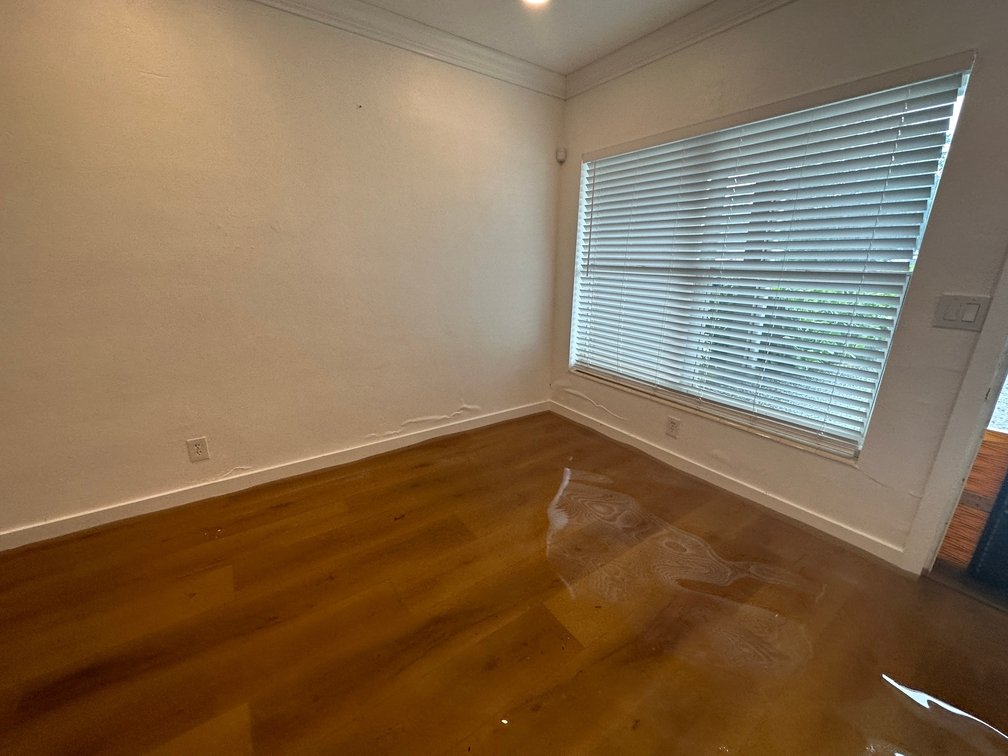
Dealing with water damage is an overwhelming experience for any homeowner in the Red River Valley. Beyond the immediate concern of saving your belongings, a logistical question often arises: can you stay in the house during water damage restoration? The answer depends on several factors, ranging from the category of the water to the structural integrity of your property.
While the desire to remain in your own space is natural, safety must remain the top priority. Understanding the variables involved in restoration safety can help you make an informed decision for your family and your health.
Is It Safe to Stay in Your Home?
Whether it is safe to stay depends largely on the scale of the damage and the areas affected. If the incident is confined to a single guest bathroom or a small portion of a basement, you may be able to occupy the rest of the home without issue. However, if the damage impacts central living areas, kitchens, or primary bedrooms, the environment becomes much less hospitable.
Professional restoration teams assess the situation based on the “category” of water. Clean water from a broken pipe is vastly different from “black water” containing sewage or ground floodwater. If the water is contaminated, staying in the home is rarely recommended due to the immediate health risks.
Factors That Determine Safety
Several specific elements influence the decision to stay or relocate temporarily:
-
- Category of Water: As mentioned, Category 3 water (sewage or rising floodwaters) contains pathogens and bacteria. Staying in a home with this type of damage is dangerous.
- Electrical Hazards: Standing water and electricity are a lethal combination. If the water has reached outlets or electrical panels, the home is unsafe until a professional clears it.
- Structural Integrity: Saturated drywall, sagging ceilings, and weakened subfloors can collapse without warning.
- HVAC Accessibility: If your heating and cooling system needs to be shut down to prevent the spread of mold spores or because of unit damage, the home may become unlivable quickly.
Risks of Staying During Restoration
The restoration process itself introduces new variables into your living environment. Industrial-grade equipment like air movers and dehumidifiers is necessary for drying, but they are loud and can run 24/7. This constant noise and the resulting dry, moving air can be disruptive to sleep and daily activities.
Furthermore, is water damage dangerous? Yes, especially when it comes to air quality. As materials dry, dust and particulates can become airborne. For individuals with respiratory issues, allergies, or weakened immune systems, these changes in air quality can lead to significant health complications.
When You Should Leave
There are clear indicators that it is time to pack a bag and find a hotel or stay with relatives. If you have lost access to running water or working toilets, the home is no longer functional. Similarly, if the restoration team must remove large sections of flooring or walls, the debris and lack of privacy make staying difficult.
If mold has already begun to grow, the risk of staying increases exponentially. Mold spores spread easily through the air, and living in an environment with active growth is a major health hazard that requires professional remediation and containment.
How Professionals Minimize Disruption
At Steamatic of Red River Valley, we understand that you want your life back to normal as quickly as possible. Our teams use advanced technology to isolate the damaged areas, using plastic sheeting and negative air pressure to keep dust and odors from traveling to the unaffected parts of your home.
We work efficiently to monitor moisture levels and adjust equipment, aiming to reduce the total time you are displaced. By hiring professionals, you ensure the cleanup is handled thoroughly, preventing long-term issues that could arise from “do-it-yourself” drying methods.
Final Recommendations
Every water damage situation in Fargo and Grand Forks is unique. The best way to determine if you can stay in your home is to have a professional inspection immediately following the event. We can provide a realistic timeline and a safety assessment to help you plan your next steps.
If you are facing water damage, do not wait for the situation to worsen. Contact our team today to begin the recovery process. Request a Quote or Schedule Service with Steamatic of Red River Valley.
Photo credit: Pgwynn