Details:
-
- Definitions: A breakdown of what mold and mildew actually are.
- Visual Cues: How to identify the difference based on color, texture, and growth patterns.
- The Smell Test: Understanding the distinct odors associated with each.
- Risk Assessment: The potential impact on your health and the structural integrity of your property.
- Action Steps: When to handle the cleanup yourself and when to call for professional remediation.
Finding a patch of discoloration in your bathroom or basement can be an unsettling experience for any homeowner. You might immediately wonder if you are dealing with a minor cleaning task or a significant restoration project. While the terms are often used interchangeably, understanding the distinction between mold vs mildew is essential for maintaining a healthy environment in your Red River Valley home.
What Is Mold
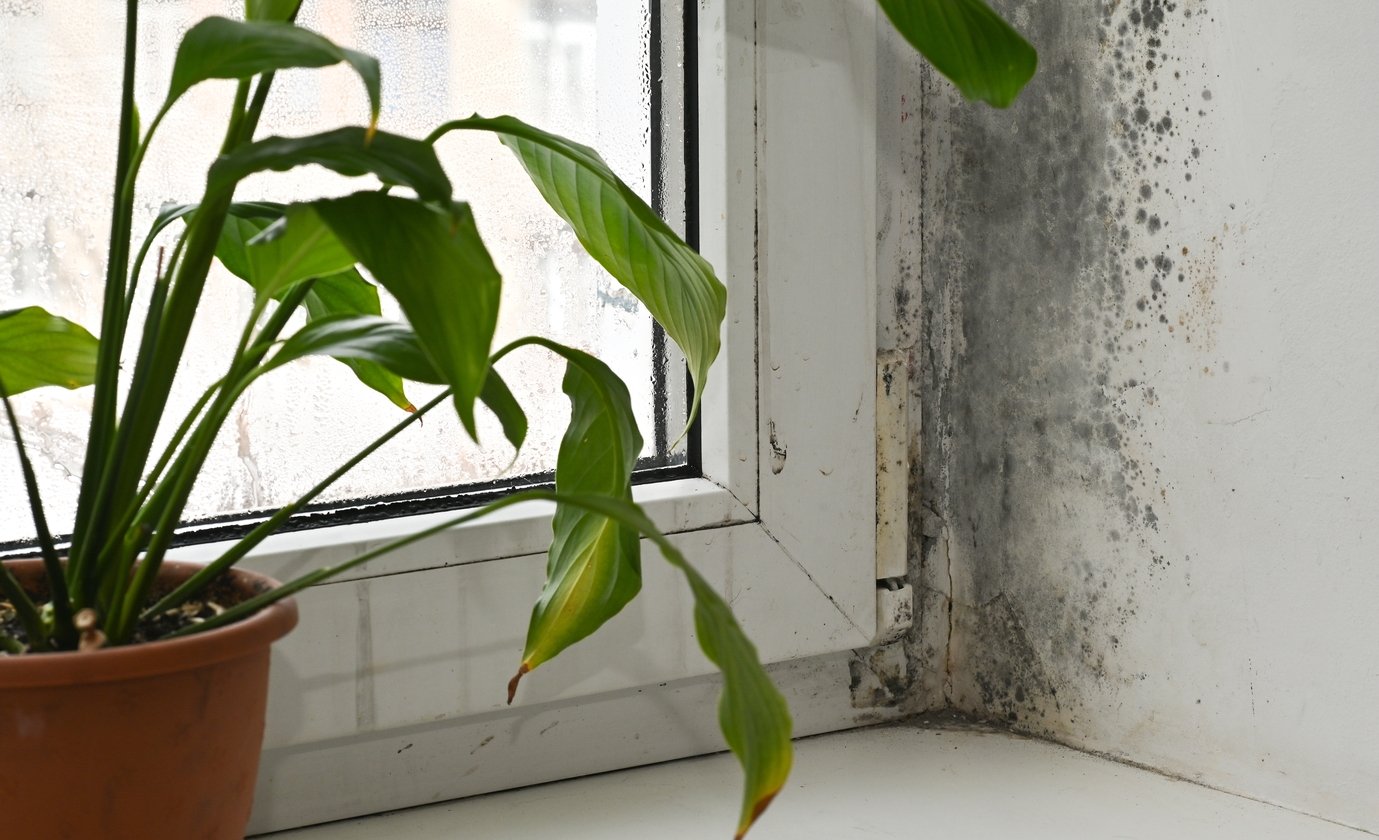
Mold is a type of fungus that plays a vital role in nature by breaking down organic matter, but it becomes a serious problem when it takes root indoors. It often appears as fuzzy or slimy patches and can come in a variety of colors, including deep green, black, blue, or even bright red. Unlike surface-level growths, mold sends out microscopic filaments called hyphae that penetrate deep into porous materials like drywall, wood, and insulation. This deep-rooted growth makes mold particularly difficult to remove with standard household cleaners once it has become established.
What Is Mildew
Mildew is actually a specific type of early-stage mold. It is generally characterized by a flat growth pattern and remains on the surface of materials rather than digging deep into the substrate. You will typically find mildew in areas with high humidity but limited airflow, such as shower grout, windowsill tracks, or on the leaves of indoor plants. While it is unsightly and can produce a distinct odor, it is much easier to manage than its more complex fungal cousins because it does not compromise the structural integrity of the surface it sits on.
Key Differences Between Mold and Mildew
The most significant difference lies in the physical structure and growth habits. Mildew grows in a flat, powdery, or downy form and is almost always initially white or gray, though it may turn brown or yellow over time. Mold is typically much thicker and can look like a raised, bumpy, or velvety texture.
Another major factor is the mildew vs mold smell. Mildew has a sharp, musty odor often associated with damp laundry or a wet basement. In contrast, a mature mold infestation often produces a much more pungent, earthy, or rotting smell that can permeate an entire room or floor of a building.
Health Risks and Property Damage
When comparing mold dangers vs mildew, mold is significantly more hazardous. Because mold penetrates the materials it grows on, it can cause structural rot in wooden beams or ruin the integrity of drywall. Furthermore, certain types of mold produce mycotoxins that can lead to respiratory issues, persistent headaches, and allergic reactions.
Mildew is generally less destructive to your property, but it can still cause sneezing, coughing, and throat irritation if left to spread. While it may not eat through your walls, it serves as a warning sign that moisture levels in your home are high enough to eventually support more dangerous mold growth.
How to Identify Each
Learning how to tell mold vs mildew often comes down to a simple “scrub test.” Since mildew is a surface fungus, a household cleaner and a scrub brush will usually remove it fairly easily. If the spot disappears quickly and the material underneath looks solid, it was likely mildew. If the spot is difficult to remove, appears to be growing “out” of the material, or leaves a permanent stain behind after scrubbing, you are likely dealing with mold that has rooted itself deep within the surface.
When Professional Help Is Needed
If you find a growth that covers an area larger than a few square feet, or if you notice a persistent musty smell that you cannot locate, it is time to call in the experts. Attempting to clean a large mold infestation yourself can actually spread spores through your HVAC system and into other rooms. Professional remediation ensures that the moisture source is identified and the fungus is fully removed rather than just covered up.
Contact Steamatic of Red River Valley for Mold Remediation
Protecting your home and your family starts with a professional assessment. If you suspect your property has a mold issue, our team is ready to help with advanced drying and remediation techniques. Contact Steamatic of Red River Valley today to schedule an inspection and restore your peace of mind.
Photo credit: ja-aljona