Discovering mold in your home can bring immediate concern about health risks and financial costs. Homeowners insurance covers mold removal only when the growth stems directly from a sudden, accidental event covered by your policy. At Steamatic of Red River Valley, we help property owners throughout North Dakota and Minnesota navigate the recovery process by providing complete inspection, thorough containment, and professional remediation services.
Understanding how insurance carriers evaluate water damage and fungal growth helps you make informed decisions about your property. Here is what you need to know about policy coverage, local climate factors, claim filing, and professional cleanup.
Does Homeowners Insurance Cover Mold Removal in North Dakota and Minnesota?
- Covered Scenarios: Homeowners insurance usually covers mold removal if the growth directly results from a sudden and accidental covered peril, such as a burst pipe or water heater rupture.
- Common Exclusions: Policies almost always exclude mold caused by long-term leaks, deferred home maintenance, poor ventilation, or surface flooding unless you have specialized flood insurance or specific policy riders.
- Local Factors: Regional climate conditions in North Dakota and Minnesota, including ice dams, rapid spring snowmelt, and high summer humidity, frequently trigger water intrusion events that lead to insurance claims.
- Professional Help: Professional remediation ensures proper containment, safe spore elimination, and thorough documentation required by insurance adjusters during the claim process.
Coverage Basics and Common Exclusions
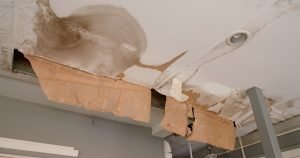
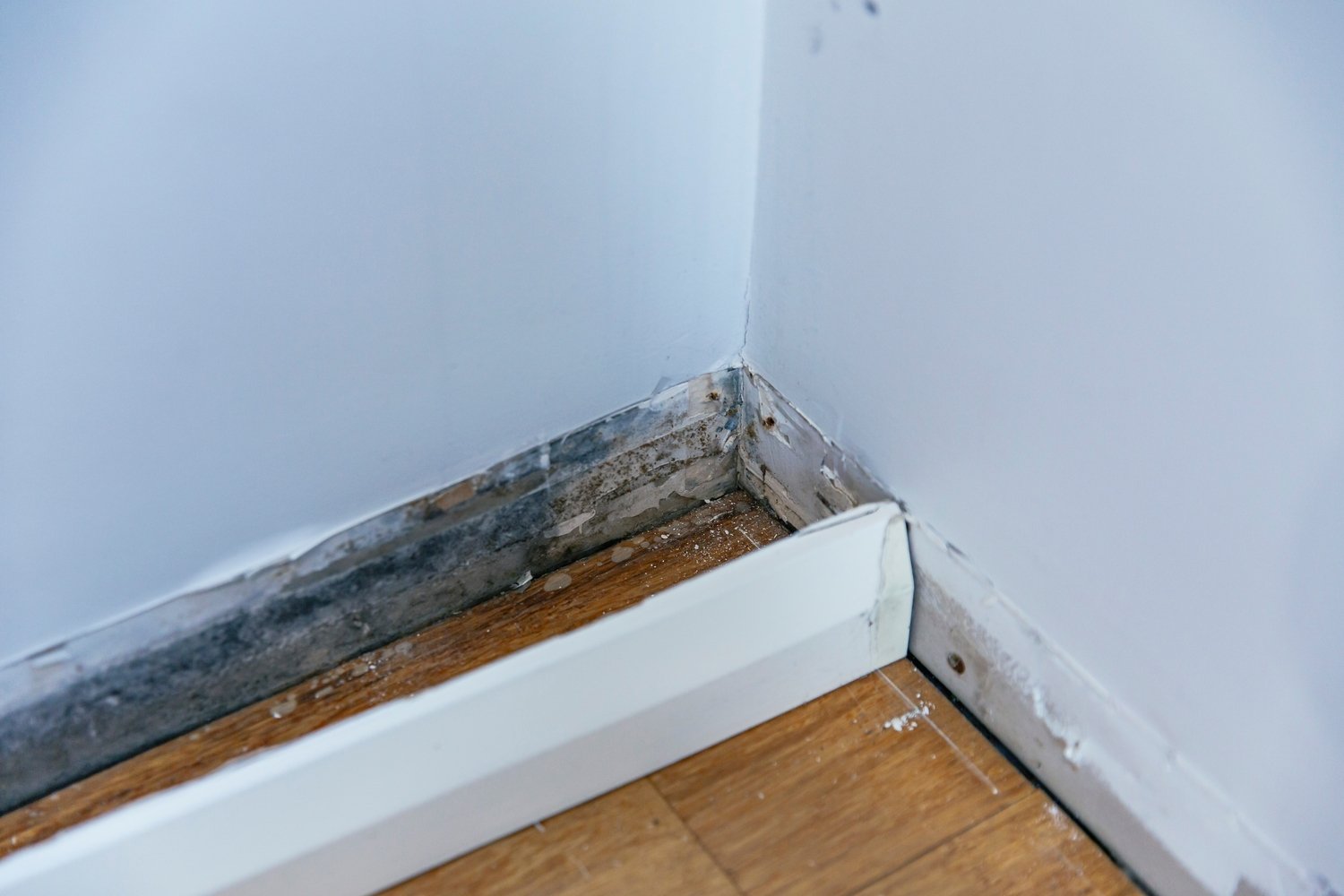
Standard homeowners insurance policies do not view mold as an independent peril. Instead, insurers classify mold as a secondary result of water damage. Because of this distinction, coverage depends entirely on what caused the underlying moisture issue.
Insurance carriers generally approve mold remediation claims when moisture originates from a sudden and accidental incident. Covered events typically include:
- Ruptured plumbing lines or broken appliance hoses
- Accidental overflow from washing machines or dishwashers
- Extinguished house fires where water used by firefighters creates secondary moisture
- Storm damage that suddenly breaches your roof or smashes windows
When one of these sudden events occurs, insurance policies usually cover both the structural repairs and the associated mold removal, up to specific policy caps. Many standard policies limit mold cleanup coverage to amounts between five thousand and ten thousand dollars unless you purchase additional endorsements.
Conversely, policies explicitly exclude mold resulting from preventable issues or wear and tear. Common exclusions include:
- Gradual plumbing leaks behind walls or under sinks that went unchecked over time
- High indoor humidity caused by inadequate ventilation in bathrooms, basements, or attics
- Water seepage through foundation walls or basement floors
- Natural flooding from overflowing rivers, heavy rain runoff, or melted snow entering from ground level
Regular property maintenance remains the responsibility of the homeowner. If an insurance adjuster determines that neglected maintenance contributed to fungal growth, the carrier will likely deny the claim.
North Dakota and Minnesota Considerations
Property owners in North Dakota and Minnesota face distinct environmental challenges throughout the year. Severe seasonal weather creates specific risks that directly impact property insurance claims and water intrusion events.
Winter conditions bring freezing temperatures that can cause indoor pipes to burst suddenly. A burst pipe releases large volumes of water within minutes. Because a frozen, burst pipe represents a sudden and accidental event, insurance policies typically cover the resulting mold cleanup if you report and address the damage promptly.
Ice dams present another major regional hazard during late winter and early spring. Heavy snow accumulation melts on warmer upper roof sections and freezes at the colder eaves, forming ice ridges. Trapped meltwater backs up under roof shingles and seeps into attics and exterior walls. Insurance coverage for ice dam damage depends on your specific policy structure and whether you took reasonable steps to prevent excessive snow buildup.
Spring snowmelt and heavy summer storms present additional moisture hazards across the Red River Valley. Rapid thawing can overload groundwater drainage systems, while intense summer storms can cause overland flooding. Standard homeowners policies do not cover surface flooding or rising groundwater. Homeowners in high-risk flood zones must purchase separate coverage through the National Flood Insurance Program or private flood insurers to protect against flood-related mold damage.
High summer humidity also accelerates spore growth in unconditioned spaces like basements and crawl spaces. Maintaining indoor relative humidity below fifty percent helps prevent growth that insurance policies will not cover.
Filing Claims
Filing a mold remediation claim requires prompt action and meticulous record-keeping. Insurance companies enforce strict timelines and documentation standards before approving reimbursement for water damage and mold cleanup.
If you suspect mold damage from a covered event, follow these steps to protect your claim:
- Stop the Water Source: Immediately shut off main water valves or secure temporary tarps over storm damage to prevent further water intrusion. Policies require homeowners to take reasonable action to mitigate ongoing damage.
- Document Everything Thoroughly: Take clear, high-resolution photographs and video clips of affected building materials, standing water, visible mold growth, and damaged personal belongings before moving or cleaning anything.
- Contact Your Carrier: Report the incident to your insurance provider as soon as possible. Request detailed information about your policy limits, deductibles, and required documentation.
- Keep Detailed Records: Save all receipts, communication logs, contractor estimates, and written notes related to the incident. Clear records establish a direct timeline connecting the initial water event to the mold growth.
Avoid removing structural items or throwing away damaged property until an adjuster inspects the site, unless leaving those items poses an immediate safety hazard.
When to Hire Remediation Experts
Attempting to clean extensive mold growth with household supplies can spread microscopic spores throughout your HVAC system and living areas. Standard cleaning methods often address surface discoloration without eliminating deep root structures embedded in drywall, wood framing, or carpeting.
You should hire certified restoration professionals whenever:
- Visible growth covers an area larger than ten square feet
- Water damage remained unaddressed for longer than forty-eight hours
- Mold exists inside HVAC ductwork or hidden wall cavities
- Occupants experience unexplained allergic reactions, coughing, or respiratory irritation
- Moisture originates from contaminated water sources such as sewage backups or floodwaters
Professional remediation teams follow strict industry standards established by the Institute of Inspection, Cleaning and Restoration Certification. Certified technicians install containment barriers under negative air pressure, utilize HEPA filtration equipment, apply specialized antimicrobial treatments, and safely remove unsalvageable materials. Furthermore, professional documentation provides insurance adjusters with detailed scope reports, moisture readings, and air sampling results that support your claim.
Protect Your Home with Steamatic of Red River Valley
Navigating property damage and insurance requirements can feel overwhelming, but you do not have to handle it alone. We bring decades of specialized experience in mold remediation, water damage restoration, and indoor air quality services to homeowners across North Dakota and Minnesota.
Our certified technicians respond quickly to evaluate moisture levels, isolate affected areas, and implement safe, comprehensive cleanup protocols tailored to your home. We work alongside property owners to provide clear documentation that simplifies the insurance process from start to finish.
If you suspect mold growth or recently experienced a water intrusion event in your home, contact Steamatic of Red River Valley today to schedule a thorough professional inspection and restore your living space to a clean, safe environment.
Photo credit: AuthorLinyt Photography