Winter in North Dakota has a way of finding the smallest weaknesses in a home. When temperatures swing, and warm indoor air meets a cold attic space, moisture can quietly build up overhead. What starts as attic frost may not seem like a big concern in the middle of winter, but when conditions change, it can turn into something much more damaging.
Why Attic Frost Happens in ND Winters
During the winter, warm air from inside your home naturally rises. If that air leaks into the attic, it carries moisture with it. Once it hits the cold surfaces of your roof deck or framing, that moisture freezes.
Over time, frost can accumulate in layers, especially during long stretches of cold weather. While it may stay frozen for weeks, it doesn’t stay that way forever. As soon as temperatures rise, even slightly, that frost begins to melt, creating the perfect conditions for moisture-related damage.
Signs of Hidden Moisture
Attic moisture isn’t always obvious right away. In many cases, it develops slowly and quietly. Still, there are a few signs homeowners can watch for:
- Damp or compressed insulation
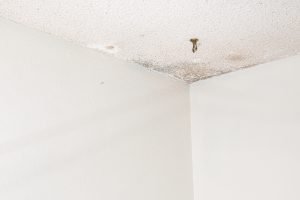
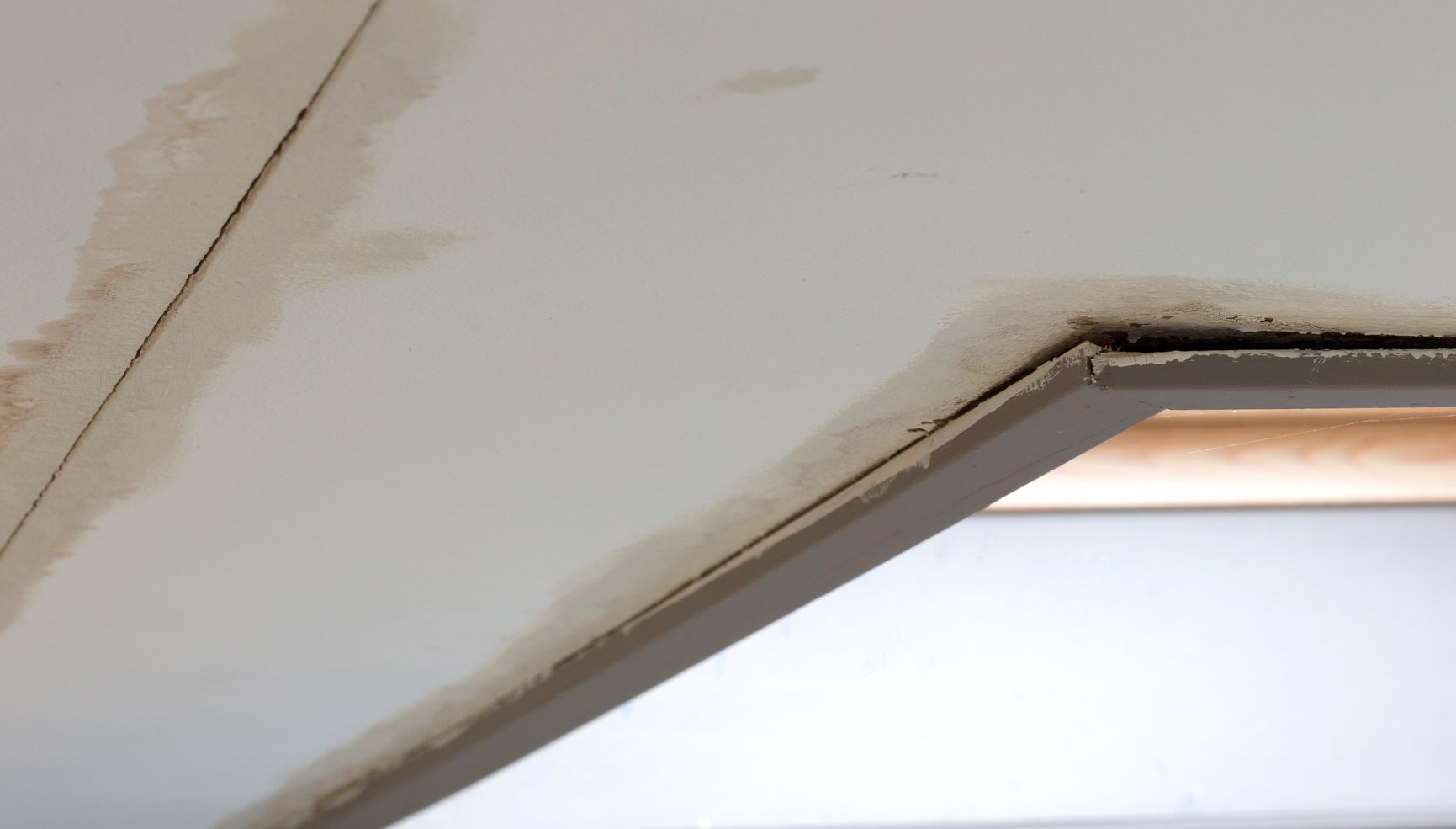
- Water stains on ceilings or upper walls
- Musty odors, especially after a temperature change
- Frost buildup visible on nails or roof decking
- Peeling paint or bubbling drywall near the ceiling
If you notice any of these issues, it may point to condensation in attic spaces that needs to be addressed before it leads to bigger problems.
Ventilation and Air Sealing Priorities
A well-functioning attic depends on balance – specifically, how air enters and exits the space. Proper ventilation allows cold, dry air to circulate, helping remove moisture before it can settle.
At the same time, air sealing is just as important. Gaps around light fixtures, attic hatches, and ductwork allow warm indoor air to escape upward. Even small leaks can introduce enough moisture to create ongoing issues.
Homes with limited airflow or blocked vents are especially vulnerable to mold from poor ventilation, since trapped moisture has nowhere to go.
Insulation Pitfalls
Insulation plays a key role in maintaining a consistent temperature between your living space and the attic. But when insulation is uneven, compacted, or improperly installed, it can allow heat to escape in concentrated areas.
That escaping heat creates warm pockets in the attic, which accelerates frost buildup in colder spots nearby. Over time, this uneven cycle can lead to moisture accumulation and eventually contribute to attic mold growth.
In some cases, adding more insulation isn’t the solution. Instead, it’s about making sure what’s already there is doing its job correctly.
Spring Melt Risk
One of the biggest risks comes when winter begins to ease. As outdoor temperatures climb, attic frost melts and turns into liquid water. That moisture can drip into insulation, soak wood framing, and seep into ceiling materials below.
Because this process happens out of sight, many homeowners don’t realize there’s an issue until stains or odors appear indoors. By that point, the damage may already be done.
Spring thaw is often when hidden attic problems finally show themselves.
When Remediation Is Required
Not all attic moisture issues require full remediation, but when mold is present or materials have been saturated, professional help is the safest path forward.
Remediation may be needed if:
- Mold growth is visible or confirmed
- Insulation is wet or has lost effectiveness
- Odors persist even after drying conditions improve
- There has been repeated moisture buildup over time
Eliminate Attic Frost With Expert Help!
If you’re dealing with attic moisture, you don’t have to figure it out on your own. At Steamatic of Red River Valley, we understand how stressful it can be to discover hidden issues in your home, especially during the winter months.
Our team takes a practical, thorough approach. We identify where moisture is coming from, address the underlying cause, and help restore your attic so it stays dry moving forward. Whether you’re seeing early warning signs or dealing with more advanced water damage, we’re here to help you take the next step with confidence.
Reach out today to get ahead of attic moisture before it turns into a bigger problem.
Photo credit: MyImages – Micha