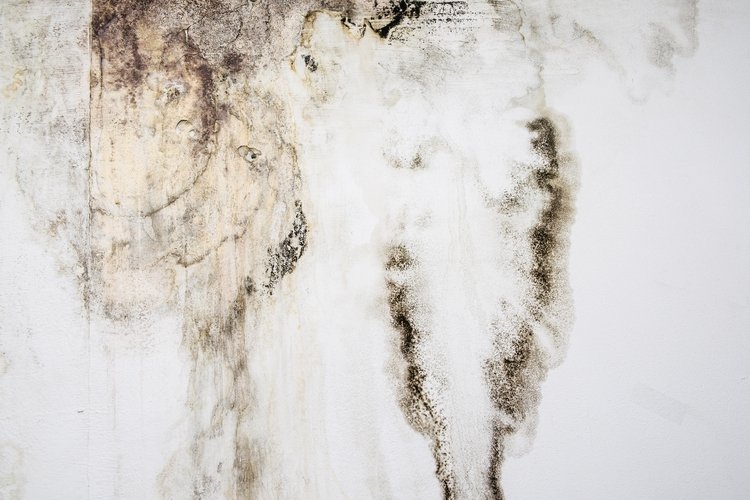
Mold does more than damage your home. It also poses serious health risks
Dealing with a water leak can quickly escalate into a serious issue if mold begins to grow.
- Learn the answers to some common concerns, such as “how fast does mold grow?” and “how to handle mold after a water leak,” uncovering critical information on how quickly mold can develop—often within 24 to 48 hours of moisture exposure.
- Learn “water damage drying time” and the role of a “dehumidifier after leak” to help you manage and prevent mold growth effectively.
- Discover which materials are more vulnerable to mold, hidden moisture zones, and when professional remediation is necessary to keep your home safe.
With strategies to prevent future leaks and mold issues, you can ensure a healthier living environment.
Mold Growth Timeline: Hours and Days
Mold can start growing surprisingly fast after a water leak, often within just a day or two. Initially, mold spores, which are always present in the air, find the damp conditions perfect for growth. Within hours, these spores begin to germinate, forming hyphae—tiny threads that spread across surfaces. By the end of the first day, these threads can develop into visible mold, especially in warm, humid environments.
By the second day, mold colonies become more noticeable as they expand. This quick development reiterates the need for immediate action when dealing with water damage. Promptly addressing leaks and starting the drying process can greatly reduce the risk of significant mold growth. Delaying action can lead to severe infestations that might require professional help. Knowing this timeline helps homeowners act quickly, preventing mold from turning into a bigger, more expensive issue.
Materials Most at Risk
In homes, certain materials are particularly vulnerable to mold because they absorb moisture easily. Drywall is a common culprit, quickly soaking up water and creating a perfect environment for mold. Wood and carpet are also at high risk. Mold can cause wood to warp and weaken, while carpets can trap mold deep within their fibers, often remaining hidden until significant damage occurs.
Recognizing these materials’ susceptibility showcases the need for a swift response to water leaks. Mold can lead to structural damage and health issues, such as allergies and respiratory problems. By focusing on these materials during inspections and drying efforts, homeowners can effectively prevent mold growth.
Hidden Moisture Zones
Mold often thrives in unseen areas where moisture lingers. Spaces behind walls, under flooring, and within insulation are common hiding spots. These areas can retain moisture long after a leak is fixed, providing a breeding ground for mold.
Thorough inspections help uncover these hidden zones. Tools like moisture meters and infrared cameras can detect moisture that isn’t visible to the naked eye. Identifying these problem areas early can prevent mold from spreading, saving homeowners from extensive damage and costly repairs.
Drying Targets and Checkpoints
Effective drying prevents mold after a water leak. Aim to dry affected areas within 24 to 48 hours to minimize mold risk. Dehumidifiers can help reduce humidity, while fans circulate air to speed up drying. Establish checkpoints to monitor progress. Regularly check moisture levels in affected materials to ensure they are drying properly. Maintaining a relative humidity level below 60% is also important to inhibit mold growth. By setting these drying targets and checkpoints, homeowners can manage water damage effectively and reduce the likelihood of mold development.
When Remediation Is Required
Sometimes, professional mold remediation is necessary. Persistent musty odors, visible mold growth beyond a small area, or unexplained health issues in family members are signs to call in experts. Delaying remediation can lead to more damage and higher costs, as mold can compromise your home’s structure and spread.
Professional services remove existing mold while also addressing underlying moisture issues to prevent future growth. Timely action ensures your home remains safe and healthy.
Prevention Tips for Future Leaks
Preventing future water leaks helps you avoid mold problems. Regularly maintaining plumbing systems, roofs, and gutters can help spot potential issues before they cause leaks. Installing water leak detectors in high-risk areas, like basements and under sinks, provides early warnings.
Ensuring proper ventilation in moisture-prone areas, such as bathrooms and kitchens, helps reduce humidity levels. By implementing these preventive measures, homeowners can significantly reduce the risk of water damage and subsequent mold growth.
Get Professional Remediation From Steamatic RRV
Addressing mold growth after a water leak is urgent and requires immediate attention. Understanding the timeline of mold development, identifying materials at risk, and recognizing hidden moisture zones are critical steps. Setting drying targets and knowing when to seek professional remediation are pivotal for effective mold management.
To protect your home and health, follow these guidelines for prevention and remediation. For expert assistance with mold and water damage issues, contact Steamatic RRV. Taking action now can prevent costly repairs and ensure a healthier living environment.
Photo Credit: Tattoboo