Insurance Claim Checklist for Water and Fire Damage
Dealing with water or fire damage can be challenging, especially with concerns about mold and long-term effects. This guide aims to simplify the water damage insurance claim process for homeowners, offering practical steps to protect your property and peace of mind. From initial actions to understanding estimates, this water damage insurance claim checklist provides essential insights to help you manage the situation effectively.
First Call List and Who to Notify
When faced with water or fire damage, acting quickly can make a big difference. Start by contacting these essential parties to get the ball rolling on your insurance claim and restoration:
- Insurance Company: Contact your insurer immediately to report the damage. Keep your policy number and incident details readily available to streamline the process as you begin your water or fire damage insurance claim.
- Restoration Services: Contact a trusted restoration company to assess the damage and initiate the cleanup process. They can help prevent issues like mold, which is often a concern.
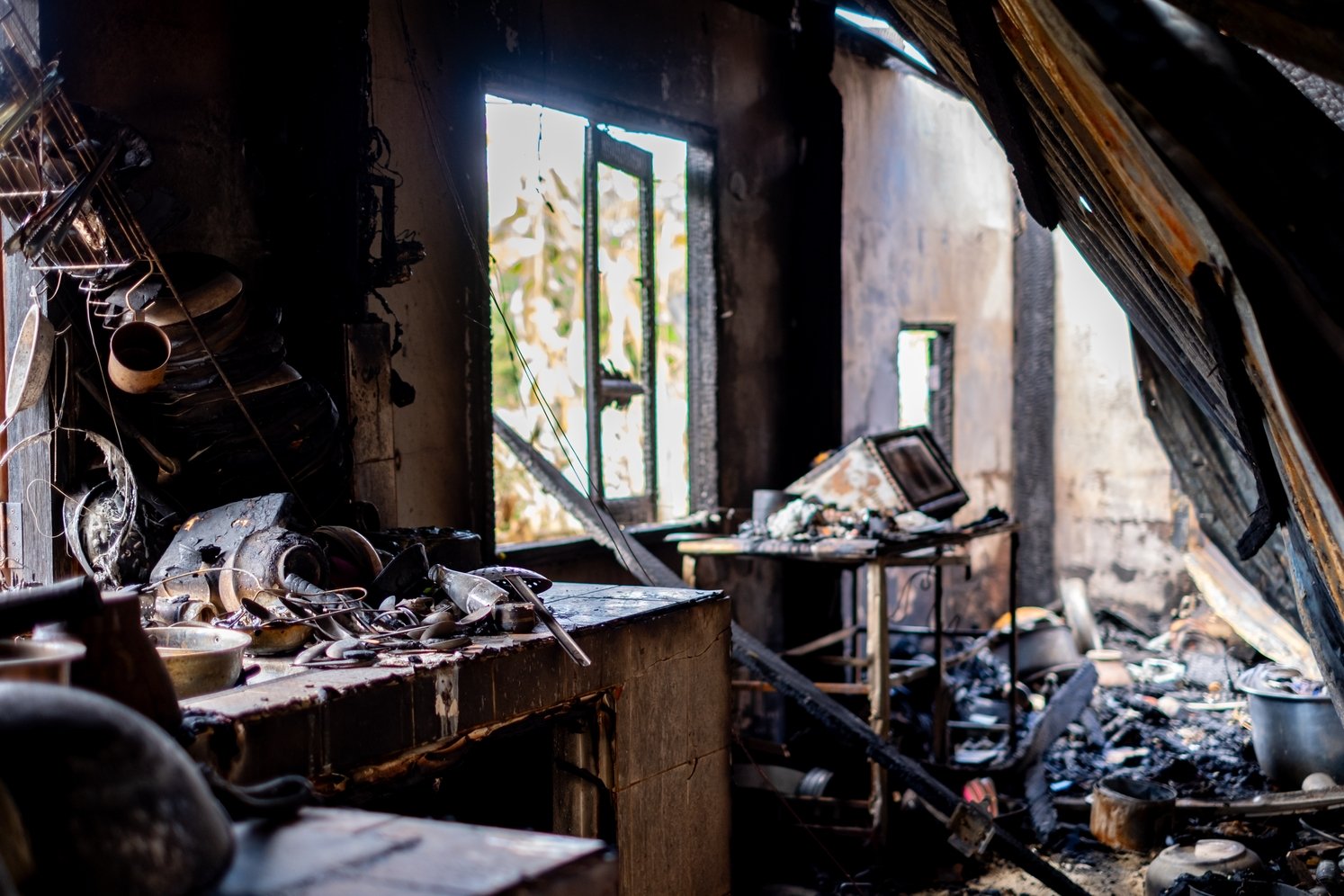
- Local Authorities: If the fire damage is severe, notify the fire department. Their reports might be necessary for your claim.
- Utility Companies: If utilities such as water, gas, or electricity are affected, contact the relevant companies to ensure safety and prevent further issues.
- Mortgage Lender: If you have a mortgage, inform your lender about the damage, as it might impact your agreement.
By reaching out to these contacts promptly, you can help ensure a smoother claims process and more effective restoration.
Photos and Documentation Steps
Thorough documentation is key to a successful insurance claim for water or fire damage. Proper records not only support your claim but also speed up the process. Here are some practical tips to ensure you capture everything needed:
- Take Clear Photos: Use a high-resolution camera or smartphone to capture detailed images. Include wide-angle shots of affected areas and close-ups of specific damage.
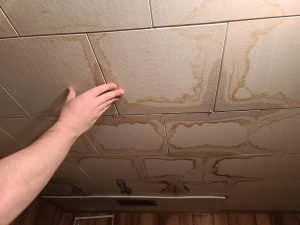
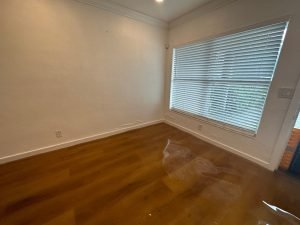
- Document All Areas: Photograph every room impacted by the damage, focusing on ceilings, walls, floors, and personal belongings.
- Capture Before and After: If you have them, include photos from before the incident to highlight the extent of the damage.
- Organize by Date and Location: Label and organize photos by date and location to assist insurance adjusters in their assessment.
- Keep a Written Record: Maintain a detailed log of the damage, noting dates, descriptions, and any actions taken.
Contents Inventory Workflow
Creating a comprehensive contents inventory list is essential for your insurance claim. This process ensures all damaged items are accounted for and valued correctly:
- Use Inventory Software: Consider using digital tools or apps designed for home inventory to streamline the process.
- Categorize Items: Group items by category, such as electronics, furniture, clothing, and personal items, for easier management.
- Record Details: For each item, note the make, model, purchase date, and estimated value. Include serial numbers if available.
- Photograph Each Item: Take photos of each item, especially high-value ones, to provide visual evidence of their condition and damage.
- Update Regularly: Continue updating your inventory list as you discover additional damaged items or make temporary repairs.
What Not to Discard
After damage occurs, it can be tempting to discard ruined items. However, keeping certain items is crucial for your insurance claim:
- Damaged Items: Retain significantly damaged items until the insurance adjuster has assessed them. These serve as evidence for your claim.
- Receipts and Warranties: Keep any receipts, warranties, or manuals for damaged items to substantiate their value.
- Structural Components: Avoid discarding structural elements, such as damaged drywall or flooring, until they have been evaluated.
Keeping these items can significantly impact the outcome of your claim by providing tangible proof of loss.
Approved Cleanup vs. Unapproved Changes
Understanding the difference between approved cleanup actions and unapproved changes is vital to avoid complications with your insurance claim:
- Approved Cleanup: Actions like water extraction, drying, and securing the property are typically covered. Always consult with your insurer before proceeding.
- Unapproved Changes: Avoid making permanent repairs or alterations before receiving approval from your insurance company, as this might affect your claim.
- Seek Pre-Approval: Always get written approval from your insurer for any major restoration work to ensure it aligns with your policy.
How Restoration Estimates Work
Obtaining an accurate restoration estimate is a crucial step in the claims process. First, a professional restoration company will conduct a thorough assessment of the damage to provide a detailed estimate. Estimates typically include labor, materials, equipment rental, and any necessary permits. The extent of the damage, the type of materials affected, and the time required for restoration all impact the final cost.
Understanding these estimates helps you plan financially and ensures transparency in the restoration process.
Choose Steamatic of Red River Valley to Help You Navigate Your Water Damage Insurance Claim and Restore Your Home
Following a structured approach to managing insurance claims and restoration can significantly reduce stress and improve outcomes. This restoration and insurance checklist is designed to guide you through each step, providing clarity and confidence in handling water or fire damage.
For professional assistance and peace of mind, contact Steamatic of Red River Valley. Our experienced team is ready to help you navigate your water damage insurance claim and restore your home efficiently.
Photo Credit: SEN STOCKER