Basement Sewage Backup Cleanup
A sewer backup in a basement can escalate quickly, turning a functional lower level into a contaminated and hazardous space. Basement sewage cleanup involves more than removing standing water—black water cleanup requires protective gear, controlled containment, disinfection, and thorough drying to limit damage and microbial growth. Prompt, methodical action helps homeowners restore sanitary conditions and return the basement to safe, functional use.
Health Risks and Contamination Levels
Sewage backup in a basement introduces black water classified as Category 3 contamination, which contains bacteria, viruses, and parasites that can cause serious illness. Porous materials like drywall, insulation, and carpeting absorb contaminated water, allowing pathogens to persist and microbial growth to begin within 24 to 48 hours. Prompt cleanup limits contamination, reduces structural damage, and helps restore the basement to a sanitary, livable condition.
Essential Shutoffs and Safety Gear
Safety is the top priority during a basement sewage backup. Turn off electrical and water sources to prevent shocks and further damage. Wear waterproof gloves, rubber boots, protective clothing, a respirator or mask, and safety goggles to reduce exposure to pathogens and mold. Ensure proper ventilation by opening windows and using fans while avoiding central air systems that can spread contaminants.
What to Remove and Isolate
After ensuring safety, remove items soaked by sewage, discarding carpets, rugs, upholstered furniture, and cardboard boxes. Plastic or metal furniture can often be cleaned and disinfected for reuse. Keep contaminated items separated from living areas, and bag or seal smaller objects to prevent the spread of bacteria and viruses.
Disinfection Basics for Basement Sewage Cleanup
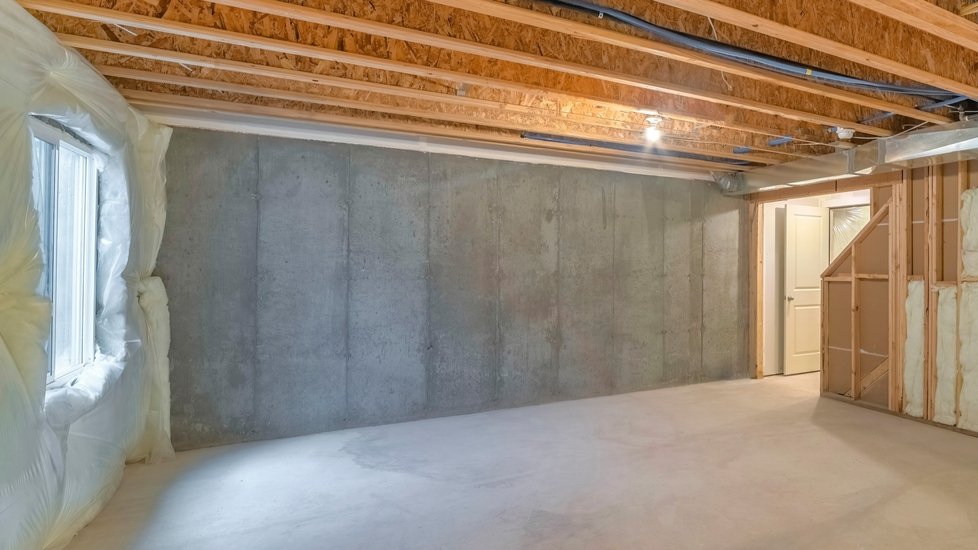
After removing standing sewage and unsalvageable materials, cleaning with a detergent or degreasing solution removes soil and organic matter, allowing disinfectants to penetrate surfaces effectively. Apply an EPA-registered disinfectant to target bacteria, viruses, and other pathogens, following proper dilution and dwell times to ensure microbial reduction. Concrete, though often treated as non-porous, can absorb contaminated water if unsealed, while porous materials like drywall, insulation, and carpet typically require removal. Ventilation, thorough drying, and, in some cases, antimicrobial treatments help prevent lingering bacteria, mold, and odors, restoring sanitary conditions.
Drying Timeline and Techniques
Proper drying prevents mold and further damage. Depending on the extent of the damage and conditions, drying can take from several days to a week. Start by removing excess water with a wet/dry vacuum, then use dehumidifiers and fans to accelerate drying.
Position fans to create cross-ventilation, and keep dehumidifiers running to lower moisture levels. Maintain moisture levels below 50% to prevent mold. If the damage is extensive, consider hiring a professional restoration service to ensure complete drying and avoid future issues.
When Insurance Applies to Sewage Backup
Homeowners insurance policies often exclude sewage backup, but coverage may be available through a separate endorsement or rider. Claims are more likely to be accepted if the backup results from a covered event, such as a sudden plumbing failure, a blocked sewer line, or damage to a municipal system.
Documenting the damage thoroughly—photos of affected areas, a record of contaminated items, and estimates for cleanup or repairs—helps support any claim. Homeowners should review their policy details and contact their insurance provider promptly after an incident to confirm coverage, understand filing procedures, and receive guidance on approved cleanup steps.
Safe Cleanup Starts Here
Prompt action during a basement sewage backup limits exposure to harmful pathogens and reduces structural damage. Following proper cleanup steps—including wearing protective gear, removal of contaminated materials, thorough disinfection, and controlled drying—helps restore sanitary conditions and prevents lingering issues.
Steamatic of Red River Valley combines specialized equipment, experienced technicians, and proven restoration techniques to handle black water cleanup efficiently and safely. For professional assistance, contact us to return your basement to a safe and functional state.
Photo Credit: Jason Finn